.png)


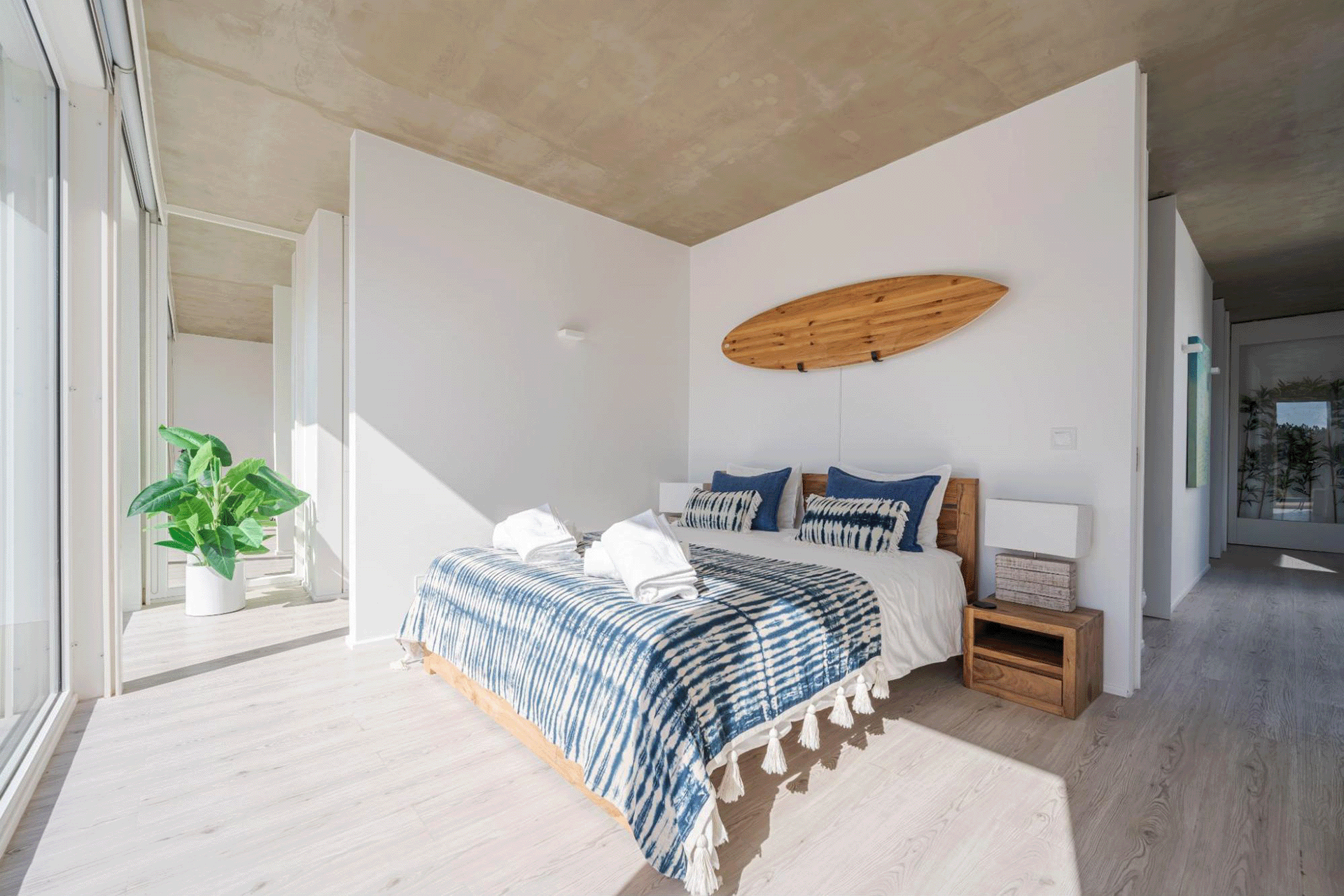
How to Select the Best Engineered Timber for Coastal Homes
Choose engineered timber with a moisture-resistant core and durable protective finish to handle coastal humidity and salt air. Light, natural tones suit beach-style interiors, while proper care — gentle cleaning, ventilation and sand-catching mats — helps maintain long-term stability and beauty.
Introduction
Coastal homes demand more from their flooring – moisture resistance, temperature stability, and a style that complements relaxed, natural surroundings. Engineered Timber is an ideal fit, offering the beauty of real wood with added durability against the challenges of living near the sea.
This article explores how engineered timber performs in humid coastal conditions, highlights top Australian species for beachside living, and offers practical maintenance tips for salty air environments.
How Engineered Timber Resists Warping in Humid Climates
Traditional solid hardwood can be vulnerable to moisture – a concern in beachside suburbs where humidity and salty air are part of daily life. Engineered timber offers a more stable solution.
- Multi-layer construction – Engineered boards are made with a hardwood surface layer bonded to a plywood or HDF core, designed to reduce movement caused by temperature or moisture changes.
- Dimensional stability – Unlike solid timber, engineered flooring resists cupping, warping and gapping – even when humidity levels fluctuate.
- Floating or glued installations – Coastal homes often experience elevated humidity or airflow changes. Engineered timber is compatible with underlays and adhesives that add extra moisture resistance and acoustic comfort.
The structure of engineered timber makes it a practical and visually appealing choice for sea-adjacent homes, where durability is just as important as design.
Popular Australian Species for Coastal Aesthetics
Engineered timber allows you to enjoy the unique character of native Australian species – combining local beauty with long-term performance.
- Blackbutt – Its pale, golden tones are ideal for light, airy coastal interiors. It’s also one of the most fire-resistant timbers, adding peace of mind in bush-adjacent areas.
- Spotted Gum – With rich variation in colour and distinctive grain, Spotted Gum suits homes with warm, earthy design palettes or coastal bushland surrounds.
- Australian Oak – A softer, consistent tone that works beautifully in minimalist or Scandinavian-inspired beach homes.
Each species brings a different mood to a space, from casual and breezy to warm and sophisticated – while maintaining the performance benefits of engineered construction.
Maintenance Tips for Salty Air and Moisture Exposure
While engineered timber is better suited to humid conditions, routine care can help preserve its appearance and performance over time – especially in coastal areas.
- Regular sweeping – Removing sand and salt helps prevent surface abrasion and damage to the timber's protective finish.
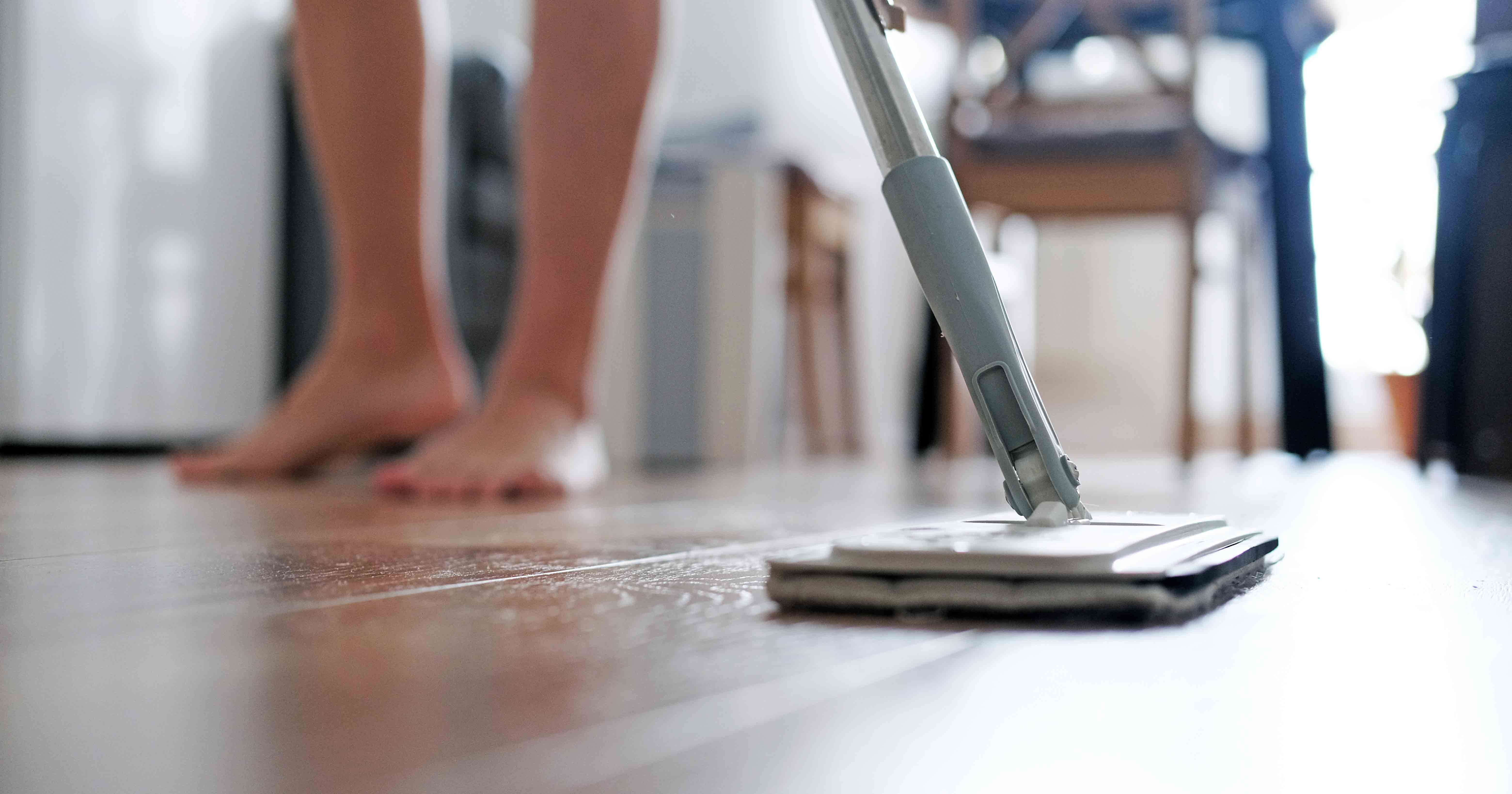
- Microfibre mopping – Use a damp (not wet) mop with a pH-neutral cleaner designed for timber floors. Avoid soaking the boards.
- Ventilation – Good airflow and the use of rugs or mats at entry points can limit the impact of outdoor elements on indoor flooring.
- Protective coatings – Some products include UV- and moisture-resistant coatings. Speak with your supplier about options designed for coastal environments.
Simple habits can go a long way in keeping engineered timber looking fresh – even in homes right by the water. Read our
Conclusion
Engineered timber is a smart, stylish solution for coastal living. Its resilience to humidity, combined with the charm of native Australian species, makes it an excellent choice for seaside homes that need both durability and design versatility. Whether you're building, renovating, or upgrading a beachside retreat, engineered timber offers the look of real wood with performance built to last.
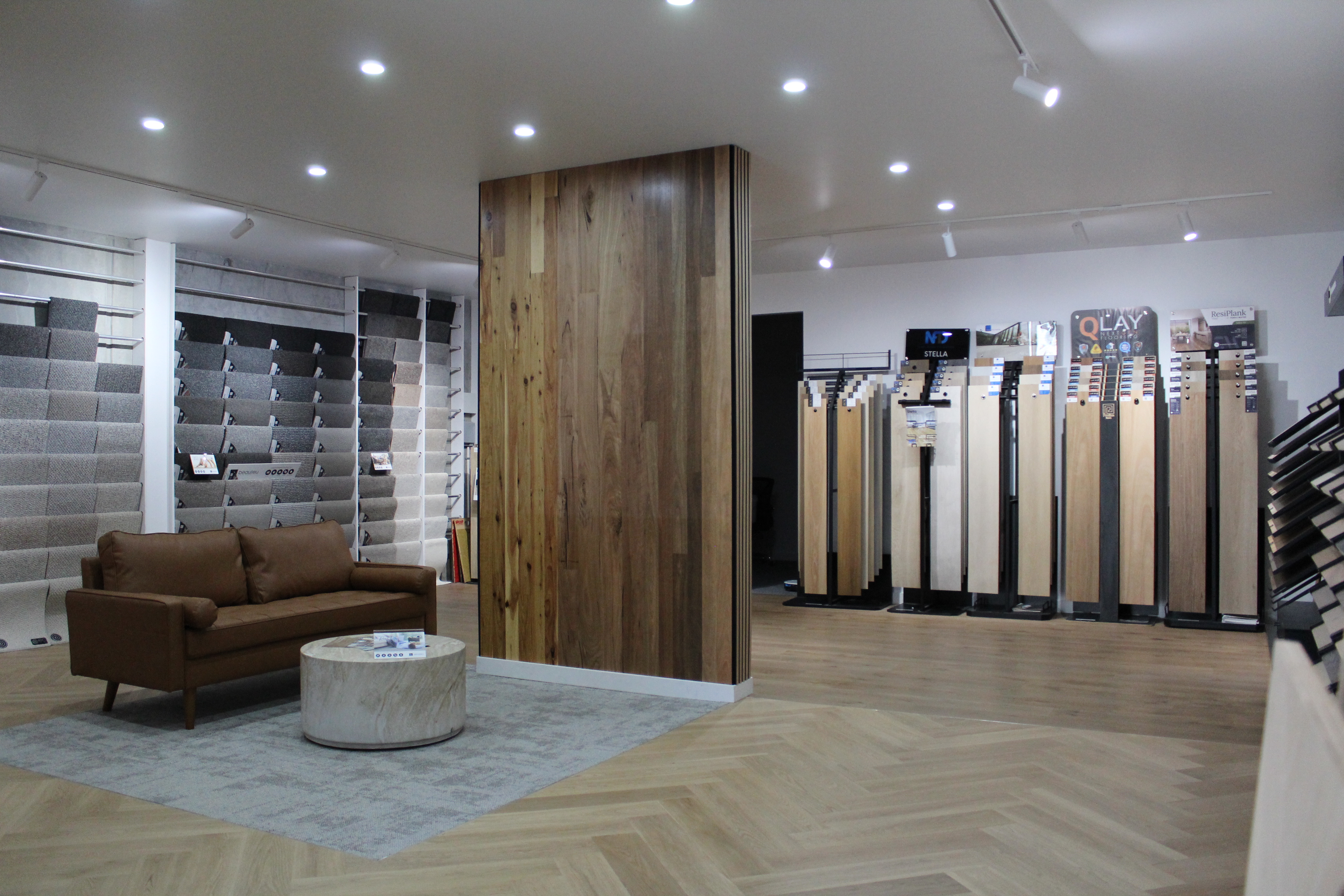
Drop by the BC Floors showroom to explore the full range.



%20(1).png)
.png)