.png)


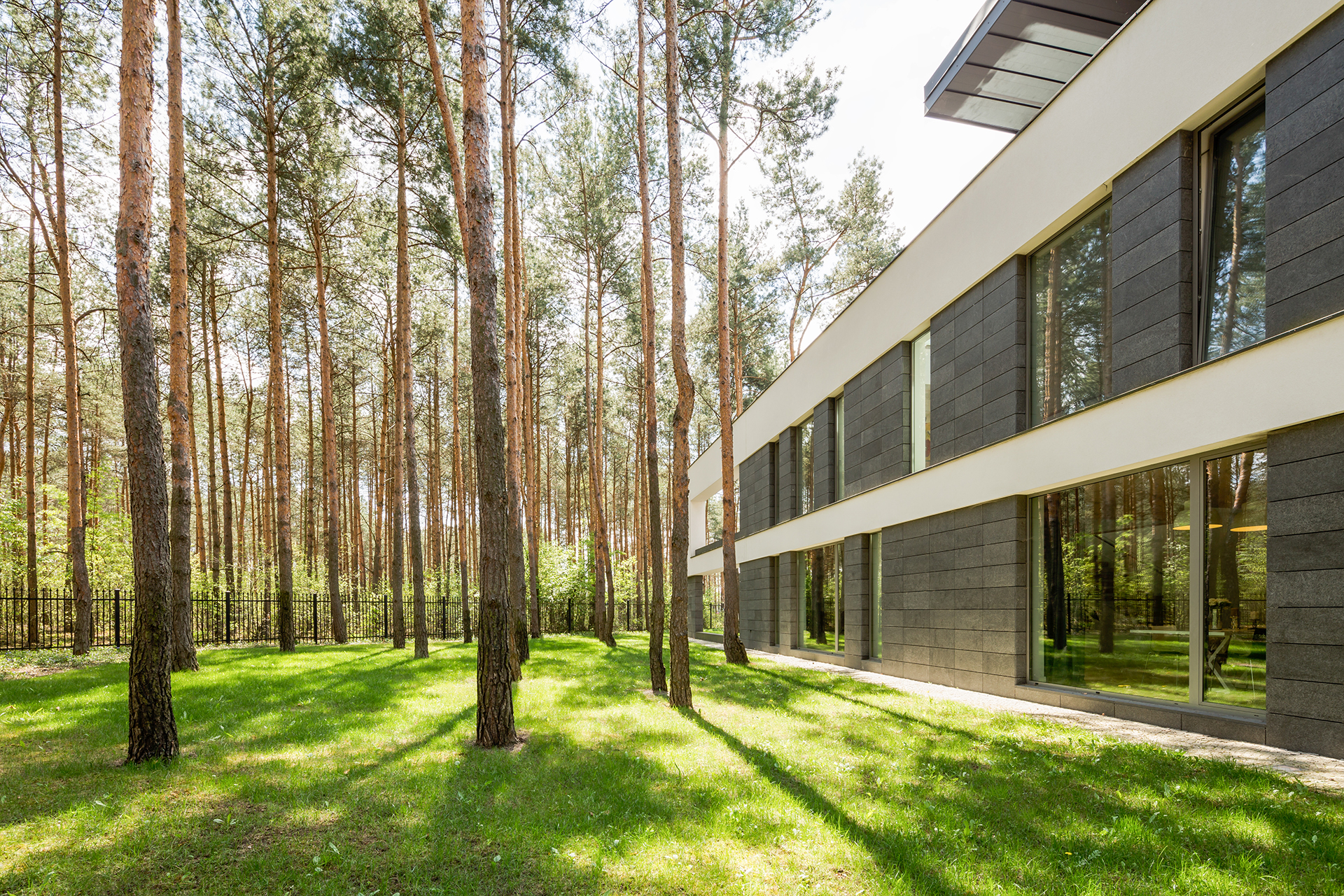
Eco-Friendly Flooring: What Works, and What to Watch Out For
Eco-friendly flooring materials such as bamboo, cork, responsibly sourced or reclaimed wood, and natural linoleum can significantly reduce environmental impact while offering healthy, long-lasting, stylish floors. But “eco” isn’t automatically green — sustainability depends heavily on sourcing, manufacturing, emissions, maintenance and disposal lifecycle.
Introduction
In an era where environmental consciousness is on the rise, the choices we make regarding our homes and lifestyles play a pivotal role in shaping a sustainable future. Flooring materials, often overlooked, have a significant impact on both the environment and our well-being. In this article, we will explore the eco-friendliness of various flooring options, ranging from Engineered Timber to Carpet, to help you make informed choices for a greener living space.

The Good: Sustainable Champions
When it comes to sustainable flooring, two options stand out as champions: Engineered Timber and Hardwood Timber. Not only do they look great, and are available in a variety of finishes, they are also eco-friendly choices.
Engineered Timber, made from layers of real wood veneers bonded to a base, boasts sustainability through responsible sourcing practices. The growth rate of trees used for this purpose is faster than their harvesting rate, ensuring a renewable supply. Additionally, these floors can be re-sanded and refinished multiple times, extending their lifespan and minimising waste.
Hardwood Timber is often harvested from sustainably grown trees in well-managed forests. Responsible logging practices and certification systems such as FSC (Forest Stewardship Council) contribute to maintaining healthy ecosystems, which means that choosing hardwood from sustainably managed forests can help combat deforestation and promote biodiversity.
If you’re looking for an innovative alternative, Hybrid flooring shines as a combination of eco-friendly attributes. Incorporating recycled materials in its production, Hybrid flooring reduces waste and conserves resources. Additionally, advancements in energy-efficient manufacturing processes and transportation contribute to a lower carbon footprint.

The Bad: Balancing Act
While Laminate flooring offers an affordable and stylish alternative, its eco-friendliness is debatable. Laminate typically consists of layers of synthetic materials, including plastics. This raises concerns about its impact on the environment, as the production and disposal of such materials can be energy-intensive and non-biodegradable. However, some manufacturers are making efforts to use recycled content and reduce emissions, contributing to a more sustainable laminate option.
Vinyl Planks, once notorious for their environmental footprint, have been evolving. Traditional vinyl was often associated with PVC, a material linked to health and environmental concerns. However, recent advancements have led to the development of low-VOC (volatile organic compounds) and phthalate-free options. Manufacturers are also investing in recycling programs to tackle the disposal challenge.

The Ugly: Environmental Question Marks
Carpet, a common flooring choice, raises concerns due to its resource-intensive production process. The use of non-renewable resources like petroleum for synthetic fibres and high energy consumption in manufacturing contribute to a significant environmental impact. Additionally, carpeting can release volatile organic compounds (VOCs) into indoor air, affecting air quality. Choosing natural fibre carpets or exploring modular carpet tiles with recycling programs can mitigate these issues. That said, carpets made from natural fibres such as wool can provide a sustainable alternative to synthetic options and still bring the warmth of carpet to your home.
In the realm of commercial spaces, making sustainable flooring choices becomes complex. While durability and maintenance are key considerations, they can sometimes conflict with eco-friendliness. Striking a balance between heavy foot traffic and sustainability requires careful research and decision-making.

Making Informed Choices: Factors to Consider
When navigating the world of eco-friendly flooring, here are a few factors to consider:
- Materials Sourcing and Renewability:
Opt for materials sourced from sustainably managed forests or those utilising recycled content.
- Production Processes and Energy Consumption:
Research manufacturers committed to energy-efficient and low-emission production processes.
- Lifespan, Durability, and Maintenance:
Balance durability with sustainability. Longer-lasting floors often result in reduced replacements and waste.
- Recyclability and Disposal:
Look for flooring that can be recycled at the end of its lifespan or explore reuse options.
- Certifications and Labels:
Check for certifications like FSC to help guide you towards environmentally responsible options.
Conclusion
In the quest for eco-friendly living, flooring choices play a crucial role. The adoption of sustainable materials like Engineered and Hardwood Timber, along with advancements in Hybrid and Vinyl Plank flooring, showcases the industry's progress towards a greener future. As consumers (and providers), we have the power to shape the market by prioritising sustainability and encouraging further innovation in the flooring industry. By making informed choices, we contribute to a healthier planet and a brighter tomorrow.
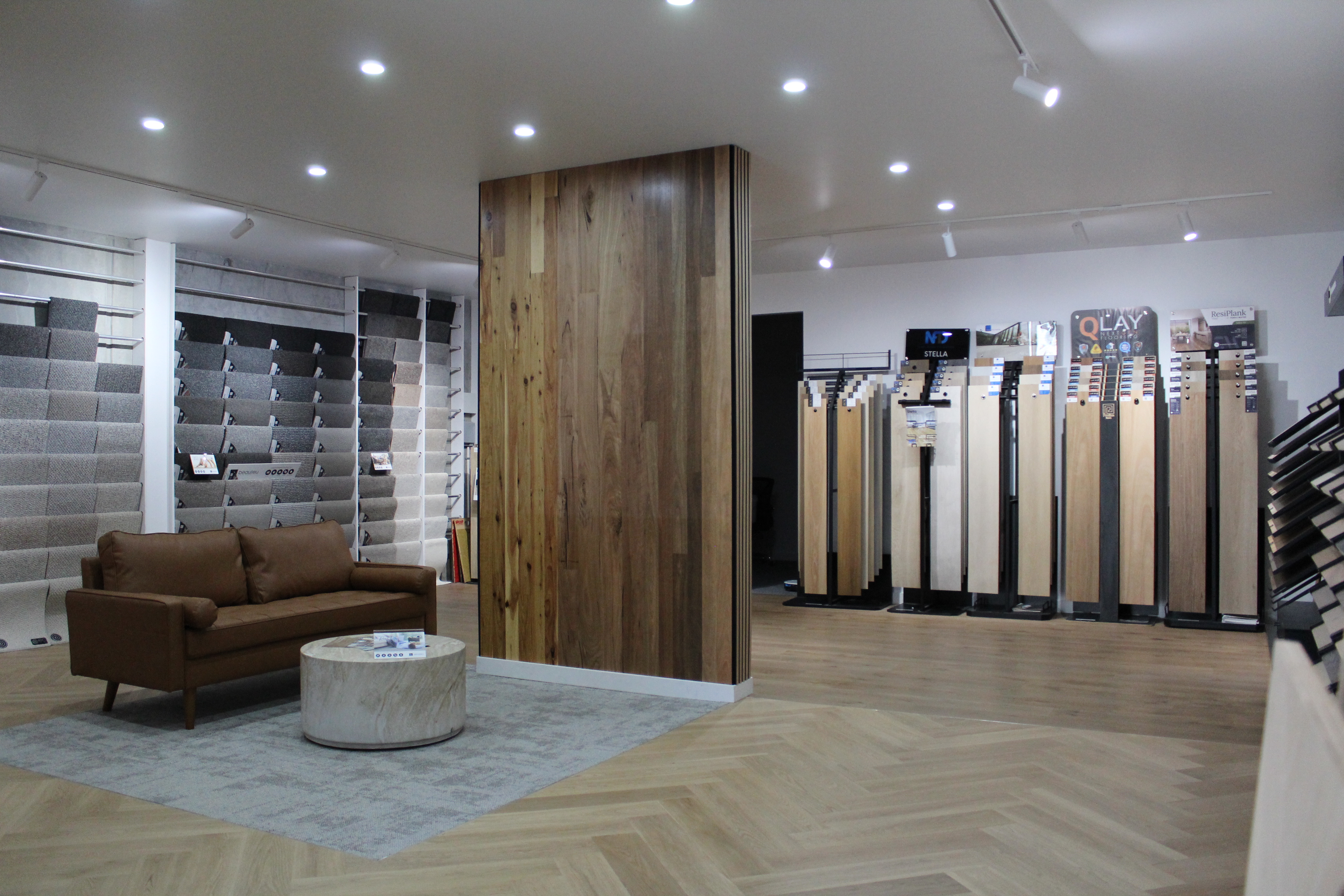
Ready to make a responsible choice? Book a chat with the team at BC Floors today, or drop by our North Wollongong showroom.


.jpeg)


%20(1).png)
.png)