.png)


Engineered timber flooring is an allergy-friendly choice for Illawarra and Wollongong homes and commercial spaces because its sealed, smooth surface doesn’t trap dust, pollen, pet dander, or dust mites like carpet can. The article explains how engineered timber supports better indoor air quality, performs well in coastal humidity, and outlines practical cleaning routines plus a local case study.
Living in the Illawarra has a lot going for it — salty sea air, breezy afternoons, and that unmistakable coastal lifestyle we all love.
But in Wollongong and surrounding suburbs, those same breezes often carry fine sand, pollen, and moisture indoors. Over time, that build-up can quietly worsen indoor air quality, especially in homes and workplaces where allergens already feel like a constant battle.
If you’re waking up congested, watching the kids rub itchy eyes through spring, or feeling like you’re vacuuming again without ever getting ahead, you’re not alone.
We hear it all the time from local families: allergy flare-ups don’t just affect comfort — they affect sleep, energy, and the feeling of ease you want in your own space. And when allergens are trapped in the wrong flooring, it can feel like you’re fighting a losing game.
That’s why we often recommend engineered timber in allergy-prone homes and busy Illawarra workplaces.
It delivers authentic timber warmth, coastal stability, and a sealed surface that keeps allergens easier to remove — which leads to the big question: how exactly does it help reduce them?
How does engineered timber flooring help reduce allergens?
Engineered timber reduces allergens because it has a hard, sealed surface that doesn’t hold dust or dander, making allergens easy to remove with regular cleaning.
Here’s the “why”:
- No fibres to trap particles. Carpets and some rugs act like filters, holding onto dust mites, pollen, and pet dander. Timber surfaces don’t provide those hiding spots.
- Smooth surface = fast removal. A quick vacuum or microfibre mop lifts allergens before they recirculate into the air.
- Better control of coastal moisture. Engineered timber is built in layers for stability, so it’s less likely to cup or gap in Illawarra humidity compared with solid hardwood. A stable floor is easier to keep sealed and clean over time.
What allergens does engineered timber help with most?
It’s especially helpful for dust, dust mites, pet dander, and pollen, because these sit on the surface rather than sinking into fibres.
In allergy-sensitive homes, we often see the biggest difference with:
- Dust and dust mites (common year-round)
- Pet hair and dander (especially in family living areas)
- Pollen tracked in from gardens and beaches
- Mould spores (more likely in damp spots if floors aren’t maintained)
Does engineered timber improve indoor air quality?
It can support better indoor air quality by reducing trapped allergens and, when you choose low-VOC products and finishes, by limiting off-gassing.
A quick note on VOCs: adhesives and finishes in some flooring products can release volatile organic compounds. We recommend asking for low-VOC engineered timber options and water-based finishes, particularly if anyone in the home has asthma or sensitivities. If you’re unsure what’s best, we’ll talk you through current low-emission choices available in our engineered timber range.
Is engineered timber better than carpet for allergy-prone families?
Yes — engineered timber is usually better for allergies because carpet traps allergens deep in its pile, while timber keeps them on the surface so they’re easier to remove.
When we’re helping allergy-prone families choose flooring, the biggest difference comes down to where allergens end up.
Why engineered timber is typically the better allergy choice
- Allergens stay on the surface. Dust, pollen and pet dander sit on top of the boards instead of sinking in. That means you can remove them quickly with a vacuum or microfibre mop.
- Less dust mite build-up over time. Dust mites thrive in soft fibres. A sealed timber surface doesn’t give them the same environment to settle and multiply.
- Faster, more consistent cleaning. A simple weekly routine is often enough to keep allergens under control — without needing steam cleaning or deep extraction.
- Better fit for coastal living. In Illawarra homes, carpet can hold onto moisture and odours in humid periods. Engineered timber is more stable in changing humidity, so it stays sealed and easier to maintain.
When carpet can still make sense (even with allergies)
Carpet isn’t automatically “bad” — it just needs more upkeep if allergies are involved. It can still be useful if:
- you want extra softness or warmth in a bedroom
- the household allergies are mild and well-managed
- you’re committed to frequent vacuuming and periodic professional cleaning
If allergies are a priority, though, hard flooring like engineered timber usually makes everyday life simpler — fewer hidden irritants, less intensive cleaning, and more control over indoor air comfort.
What makes engineered timber a smart Illawarra choice beyond allergies?
In the Illawarra, engineered timber is ideal because it delivers real wood style with better humidity stability and practical maintenance for coastal conditions.
We see a few consistent reasons locals choose it:
- Designed for humidity swings. Seasonal moisture and salty air can stress solid timber. Engineered boards are layered to resist expansion and warping.
- Warmth and comfort underfoot. Great for family homes and hospitality venues wanting a welcoming feel.
- Works across many subfloors. Including concrete slabs common in newer Wollongong builds and renovations.
- Looks like real timber (because it is). A genuine timber veneer means you still get natural grain and variation.
If you’d like to explore styles and finishes, our full range is here: Engineered Timber Flooring
How should allergy-prone families clean engineered timber floors?
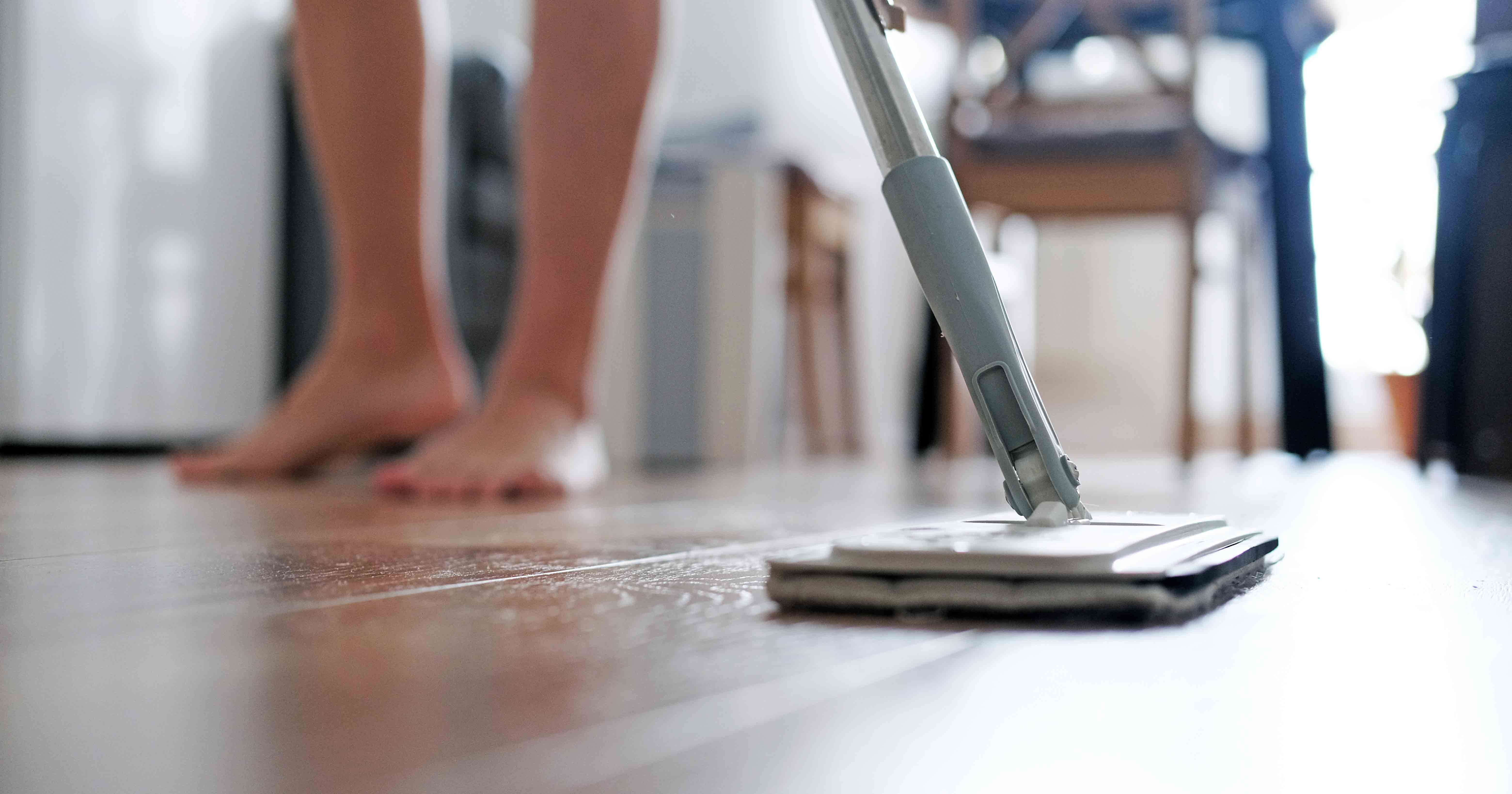
Clean engineered timber should be cleaned and maintained with frequent vacuuming (soft head), a dry microfibre mop, and an occasional damp mop using a pH-neutral timber cleaner.
Here’s the routine we recommend for Illawarra homes:
Daily / every few days
- Vacuum with a soft brush head. Focus on corners and under furniture where dust collects.
- Dry microfibre mop. It grabs fine pollen and sandy grit common near the coast.
Weekly
- Light damp mop. Use a well-wrung microfibre mop — floors should never be wet.
- pH-neutral cleaner only. Avoid harsh detergents or steam mops, which can dull the finish over time.
Monthly / seasonal allergy peaks
- Entry-zone reset. Shake mats, vacuum thresholds, and clean skirting boards.
- Check humidity spots. In kitchens, near sliding doors, or around en-suites, wipe up moisture quickly to prevent mould risk.
Quick “don’ts”
- Don’t flood mop.
- Don’t use abrasive pads.
- Don’t leave spills sitting (especially salty beach water).
What are the best finishing choices for allergy-sensitive homes?
We would recommend matte or semi-matte sealed finishes and low-VOC coatings are best, because they reduce dust adhesion and minimise chemical sensitivity risks.
When we specify engineered timber for allergy-prone families, we look for:
- Factory-sealed boards (less dust sticking to raw pores)
- Durable top coats that handle frequent cleaning
- Low-VOC finishes/adhesives where possible
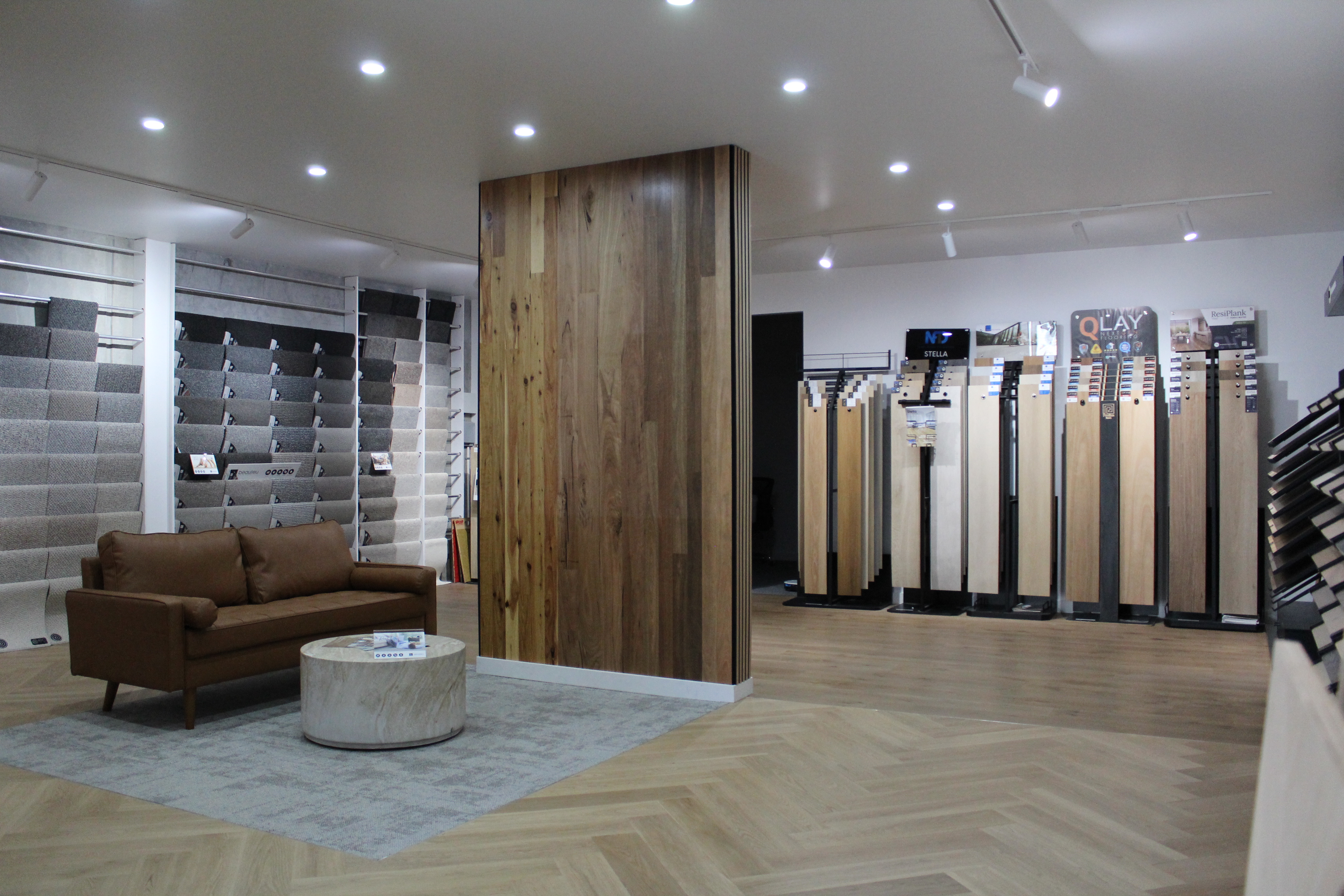
If you’re comparing options, we’re happy to show you a few finish types in our showroom and explain what they mean for health, cleaning, and coastal durability.
Case study: How engineered timber helped a Wollongong family breathe easier.
Replacing carpet with engineered timber in key living zones often reduces dust and dander build-up, making cleaning simpler and allergy management more effective.
A recent example:
A family in North Wollongong came to us with two kids, a dog, and ongoing seasonal allergies. Their open-plan living area had older wall-to-wall carpet. Even with regular vacuuming, they were battling:
- Persistent dust smell
- Visible pet hair working into the pile
- Sneezing spikes after windy coastal days
What we did
- Removed carpet and installed a mid-tone oak engineered timber through the living, dining, and hallway zones.
- Added durable mats at entry points for sand control.
- Recommended a soft-head vacuum and weekly damp mop schedule.
The outcome (within the first month)
The cleaning time dropped noticeably because allergens stayed on the surface instead of embedding into fibres, which made day-to-day upkeep far easier. Pet hair could be picked up quickly with a simple daily vacuum or microfibre mop, and the family also reported fewer “dusty” flare-ups in their main living area throughout spring.
We can’t promise flooring alone will “solve” allergies — health is complex — but we consistently see hard, sealed floors make allergen control far more manageable for Illawarra households.
If you’re considering engineered timber for your Wollongong or Illawarra property, we’re here to help. Explore options either through visiting our showroom, or reach out for a consultation today via our ‘contact us’ page.
We’ll recommend a floor that suits your lifestyle, your environment, and your health needs.



.jpg)
%20(1).png)
.png)