.png)


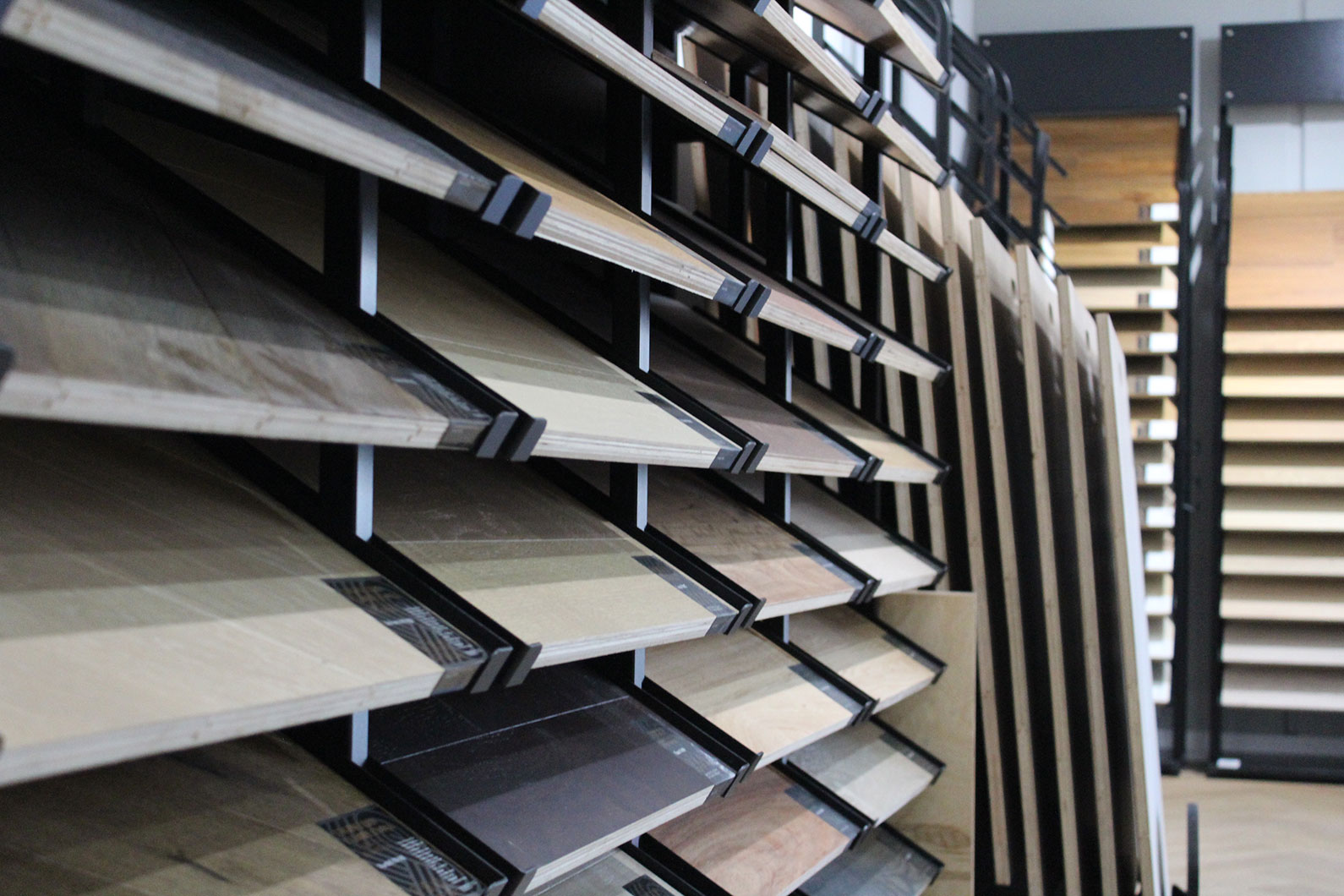
Choosing allergy-safe flooring involves more than just appearance. Hardwood and modern non-toxic laminate both reduce dust and allergens when compared to carpet, making them popular options for Wollongong and Illawarra homes. Understanding construction, finishes, and cleaning methods helps ensure a healthier indoor environment.
For many households across Wollongong and the Illawarra, managing allergies isn’t seasonal — it’s part of everyday life. Dust, pollen, pet dander, and other indoor irritants can quickly build up inside the home, often without being immediately visible.
What many homeowners don’t realise is that flooring plays a significant role in how allergens behave indoors. Some surfaces trap and hold particles, while others allow allergens to sit on the surface where they can be easily removed.
At BC Floors, we regularly help homeowners, renovators, and commercial clients choose allergy-safe flooring that supports both health and lifestyle. One of the most common questions we’re asked is whether hardwood flooring or laminate flooring is better for allergy-sensitive environments.
What makes a flooring option allergy-friendly?
In simple terms, allergy-friendly flooring reduces places where allergens can hide.
Flooring that supports allergy-sensitive homes typically shares a few key characteristics. It has a smooth, sealed surface that doesn’t trap dust. It avoids fibres and deep textures where allergens can settle. It’s easy to clean using gentle methods rather than harsh chemicals. And importantly, it uses low-VOC materials and finishes to support better indoor air quality.
Both hardwood and laminate flooring can meet these requirements when chosen carefully and installed correctly, which is why the decision often comes down to lifestyle, environment, and long-term expectations.
Is hardwood flooring good for allergies?
Yes — hardwood flooring is widely regarded as a strong option for allergy-sensitive homes.
Hardwood flooring provides a solid, continuous surface that does not trap dust, pollen, or pet dander in the way soft flooring can. Allergens remain on the surface, making them far easier to remove through regular sweeping or vacuuming.
For many Illawarra households, hardwood also offers peace of mind because it:
- Minimises joints where dust can collect
- Works well with low-VOC oils and sealers
- Offers long-term durability without frequent replacement
When properly sealed, hardwood can support a cleaner indoor environment while also delivering a timeless, natural aesthetic.
Are there allergy drawbacks to hardwood flooring?
Hardwood is allergy-friendly, but it isn’t maintenance-free.
As a natural material, timber responds to environmental changes. In coastal areas like Wollongong, fluctuations in humidity can cause timber to expand and contract. If hardwood flooring isn’t properly installed or maintained, small gaps can develop over time, creating spaces where dust may settle.
Finish selection also matters. Choosing low-VOC sealers and adhesives is essential to avoid introducing airborne irritants during installation or refinishing. This is where professional guidance makes a real difference.
Is laminate flooring safe for allergy-sensitive households?
Modern laminate flooring can be an excellent allergy-safe option when low-VOC products are used.
Today’s laminate flooring is designed with fully sealed surfaces that prevent dust and allergens from penetrating the material. This creates a consistent, non-porous surface that’s easy to keep clean.
Non-toxic laminate flooring offers several practical benefits for allergy-sensitive households:
- Sealed wear layers that limit allergen build-up
- Simple cleaning routines that don’t rely on chemicals
- Stable performance across temperature changes
- Consistent surface appearance over time
This makes laminate particularly appealing for busy homes, rental properties, and commercial spaces throughout Wollongong.
View laminate flooring options.
Are all laminate floors non-toxic?
No — and this is where many people get caught out.
Not all laminate flooring meets the same emissions standards. Lower-quality products may contain higher levels of VOCs due to adhesives or core materials used during manufacturing.
At BC Floors, we guide clients toward non-toxic laminate flooring that complies with Australian standards and supports healthier indoor environments. Professional installation further reduces exposure by ensuring correct ventilation and product handling during the fitting process.
Which is easier to clean for allergy control: hardwood or laminate?
Both are easy to clean, but laminate typically requires less specialised care.
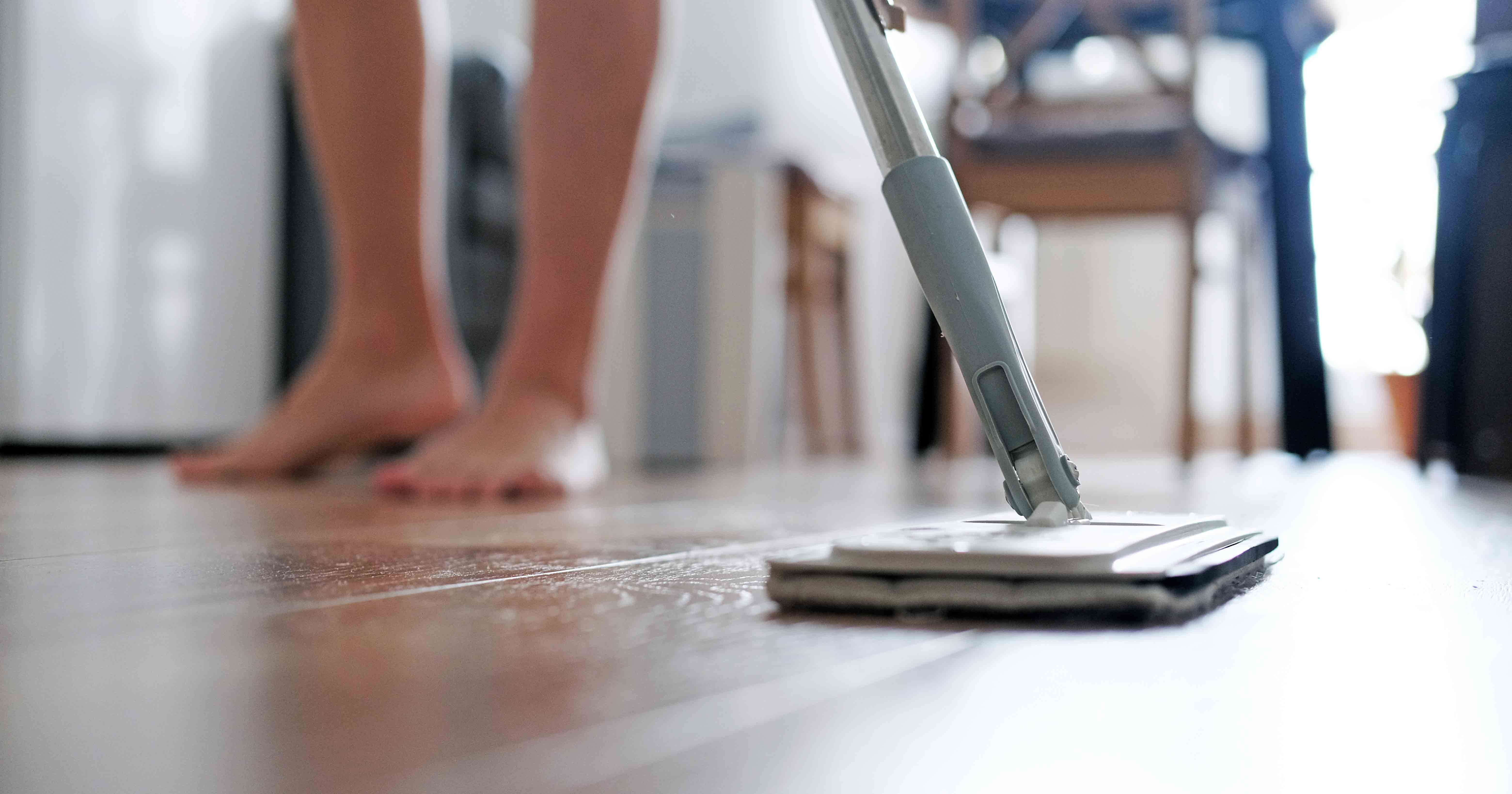
Hardwood flooring benefits from regular sweeping or vacuuming using hard-floor attachments, along with damp mopping using timber-safe cleaning products. Laminate flooring, by comparison, allows for straightforward sweeping and light damp mopping without specialised cleaners.
For allergy-sensitive homes, the consistency of cleaning matters more than the flooring type itself. A simple routine carried out regularly will always outperform occasional deep cleans.
How does Wollongong’s climate affect allergy-safe flooring choices?
Local conditions play a bigger role than many people expect.
The Illawarra’s coastal environment brings higher humidity and temperature variation, which can affect flooring performance over time. Hardwood flooring performs best when installed with appropriate allowances for movement and protected with quality sealers.
Laminate flooring tends to be more dimensionally stable in fluctuating conditions, which is why it’s often chosen for apartments, workplaces, and retail spaces across Wollongong where environmental control may vary.
Is hardwood or laminate better for commercial allergy-sensitive spaces?
Both can work well, depending on how the space is used.
In offices, hospitality venues, and healthcare-adjacent environments, allergy-safe flooring priorities often include ease of daily cleaning, resistance to wear, and low ongoing maintenance.
Laminate flooring is frequently selected for its durability and consistency, while hardwood is often preferred in premium commercial spaces where natural materials enhance the overall experience.
Learn more about our commercial flooring solutions.
Can other flooring types support allergy-sensitive environments?
Yes — but every material involves trade-offs.
While carpet can be suitable when carefully selected and well maintained, many allergy-sensitive clients prefer hard flooring options. Alternatives such as vinyl planks and engineered timber also offer sealed surfaces that support low-allergen environments when correctly specified.
You may find these resources helpful:
Why consult BC Floors for allergy-safe flooring in Wollongong?
Because choosing the right flooring isn’t just about the product.
At BC Floors, we look beyond surface features. We consider how a space is used, how local conditions affect materials, how installation methods influence long-term performance, and how maintenance fits into everyday life.
Our goal is to help clients choose flooring that supports comfort, durability, and wellbeing — not just on installation day, but for years to come.
Frequently Asked Questions About Allergy-Safe Flooring
Is hardwood flooring better than carpet for allergies?
Yes. Hardwood does not trap dust or allergens, making it easier to clean and maintain.
Does laminate flooring release harmful chemicals?
Quality laminate flooring designed to meet low-VOC standards is considered safe for indoor environments.
Can laminate flooring be used in homes with asthma?
When non-toxic products are selected and properly installed, laminate can support cleaner indoor air.
How often should allergy-safe floors be cleaned?
Regular sweeping or vacuuming several times a week is recommended, with damp mopping as needed.
Is professional installation important for allergy-sensitive homes?
Yes. Correct installation reduces gaps, emissions, and long-term maintenance issues.
Which Flooring Is Right for Your Allergy-Sensitive Space?
Both hardwood and non-toxic laminate flooring can support allergy-sensitive homes and commercial environments when selected thoughtfully. The right choice depends on lifestyle, maintenance preferences, and local conditions.
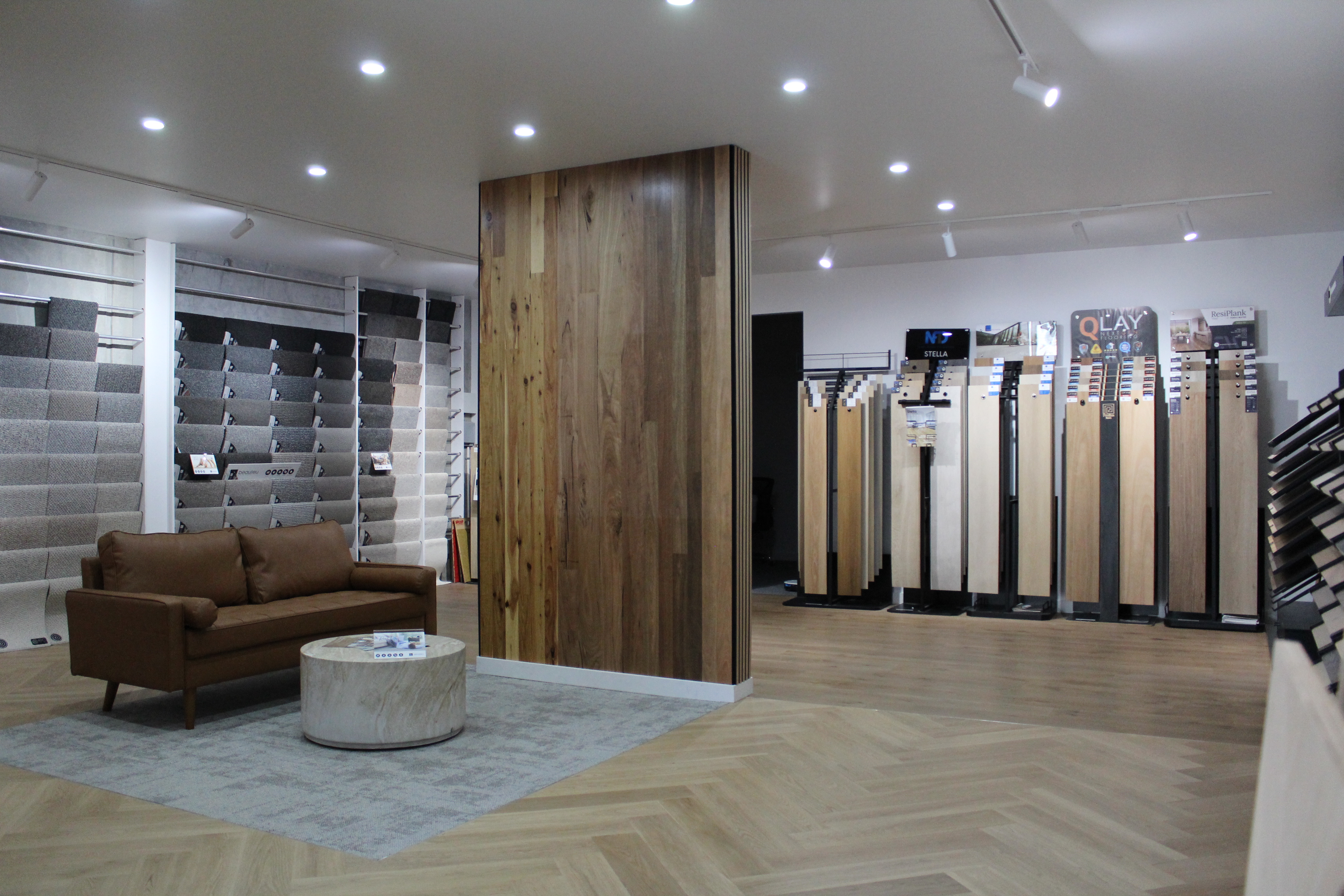
If you’re planning a flooring upgrade in Wollongong or the Illawarra, our team at BC Floors can help you compare options and avoid costly mistakes.
Contact BC Floors today to request a free quote or speak with our flooring experts.




%20(1).png)
.png)