.png)


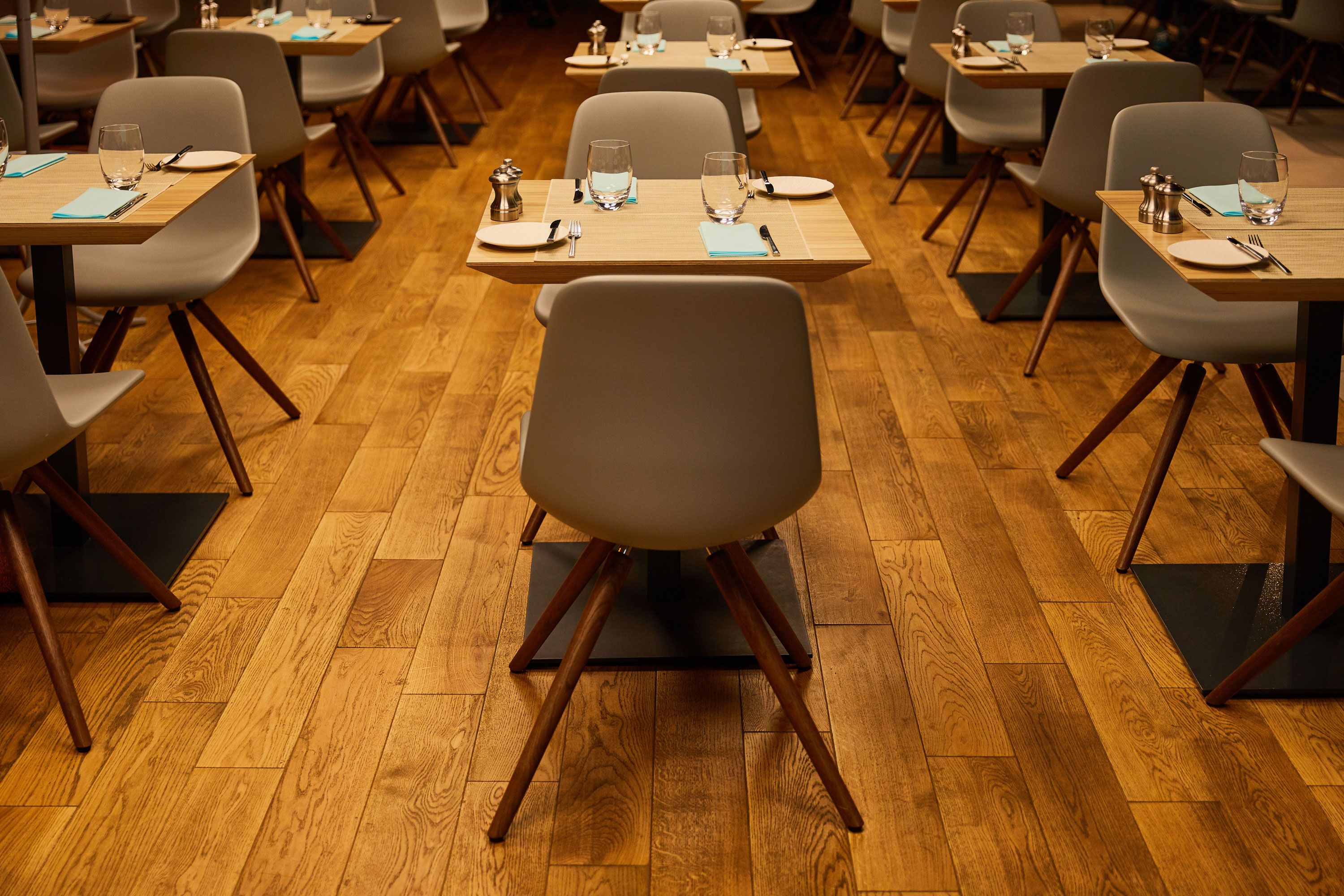
At BC Floors, we work with hospitality operators across New South Wales to deliver commercial flooring solutions that balance performance, durability, and style. Here's what you should consider when selecting flooring for your venue.
Choosing the right flooring for a hospitality venue is about far more than appearance. Whether you're fitting out a restaurant, café, hotel, bar, club, or event space, your flooring plays a major role in safety, customer experience, maintenance costs, and long-term performance.
The best flooring for hospitality venues must withstand heavy foot traffic, support efficient cleaning, reduce noise, and complement your overall design aesthetic. At the same time, it needs to comply with safety requirements and deliver a welcoming environment for guests.
At BC Floors, we work with hospitality operators across New South Wales to deliver commercial flooring solutions that balance performance, durability, and style. Here's what you should consider when selecting flooring for your venue.
Start With Safety: Prioritise Slip Resistance
Slip resistance should be one of the first factors you evaluate when choosing hospitality flooring.
Restaurants, bars, cafés, and hotel foyers regularly encounter spills, moisture, food debris, and high foot traffic. Consequently, flooring that becomes slippery when wet can increase the risk of accidents for both guests and staff.
Areas Where Slip Resistance Matters Most
Pay particular attention to:
- Restaurant dining areas
- Commercial kitchens
- Bar service zones
- Hotel entrances
- Outdoor dining areas
- Bathrooms and amenities
Different flooring products are tested and rated for slip resistance. Therefore, it's important to select products suited to the intended environment.
Luxury vinyl flooring is a popular hospitality choice because many commercial-grade options combine attractive finishes with strong slip-resistant properties.
You can explore our range of commercial flooring solutions via our website.
Balancing Safety and Style
Many venue owners assume slip-resistant flooring looks industrial or unattractive. However, modern flooring technology has changed significantly.
Today's commercial vinyl, hybrid flooring, and engineered timber products offer realistic timber and stone visuals while maintaining practical safety features. As a result, you no longer need to choose between aesthetics and performance.
Consider Acoustic Control and Guest Comfort
A noisy venue can quickly impact the customer experience.
Hard surfaces naturally reflect sound, which may create excessive noise levels in busy restaurants, bars, and hospitality spaces. Consequently, acoustic performance should be considered early in the design process.
Flooring Materials That Help Reduce Noise
Some flooring options perform better acoustically than others.
For example:
- Carpet tiles provide excellent sound absorption.
- Luxury vinyl flooring helps reduce footfall noise.
- Hybrid flooring offers improved acoustic performance compared to traditional hard surfaces.
- Quality underlays can significantly improve sound control.
Hotels, conference facilities, and premium dining venues often benefit from flooring systems specifically selected to reduce noise transfer between spaces.
Our guide on commercial flooring trends explores how hospitality businesses are balancing aesthetics and functionality:
Why Acoustics Matter
Good acoustic control can help:
- Improve guest conversations
- Create a more comfortable atmosphere
- Enhance perceived quality
- Reduce noise complaints
- Improve staff communication
Meanwhile, poor acoustics can negatively impact customer satisfaction, even when other aspects of the venue perform well.
Design Considerations for Hospitality Flooring
Flooring contributes significantly to your venue's overall identity.
Guests often form first impressions within seconds of entering a space. Therefore, flooring should support your brand, interior design, and customer expectations.
Match Flooring to Your Venue Type
Different hospitality environments require different flooring strategies.
Restaurants and Cafés
Many operators choose timber-look vinyl or hybrid flooring because it delivers warmth while remaining practical and easy to maintain.
Hotels
Hotels often combine multiple flooring types, including carpet, luxury vinyl, and engineered timber, depending on the space.
Bars and Clubs
Durability and slip resistance are often prioritised alongside visual impact.
Function Centres and Event Venues
Flexible flooring solutions that accommodate varying traffic levels are often preferred.
Popular Commercial Flooring Styles
Current hospitality flooring trends include:
- Natural timber-look finishes
- Coastal-inspired palettes
- Stone-look luxury vinyl
- Wide plank formats
- Mixed-material flooring designs
For inspiration, our article on commercial flooring trends provides additional ideas.
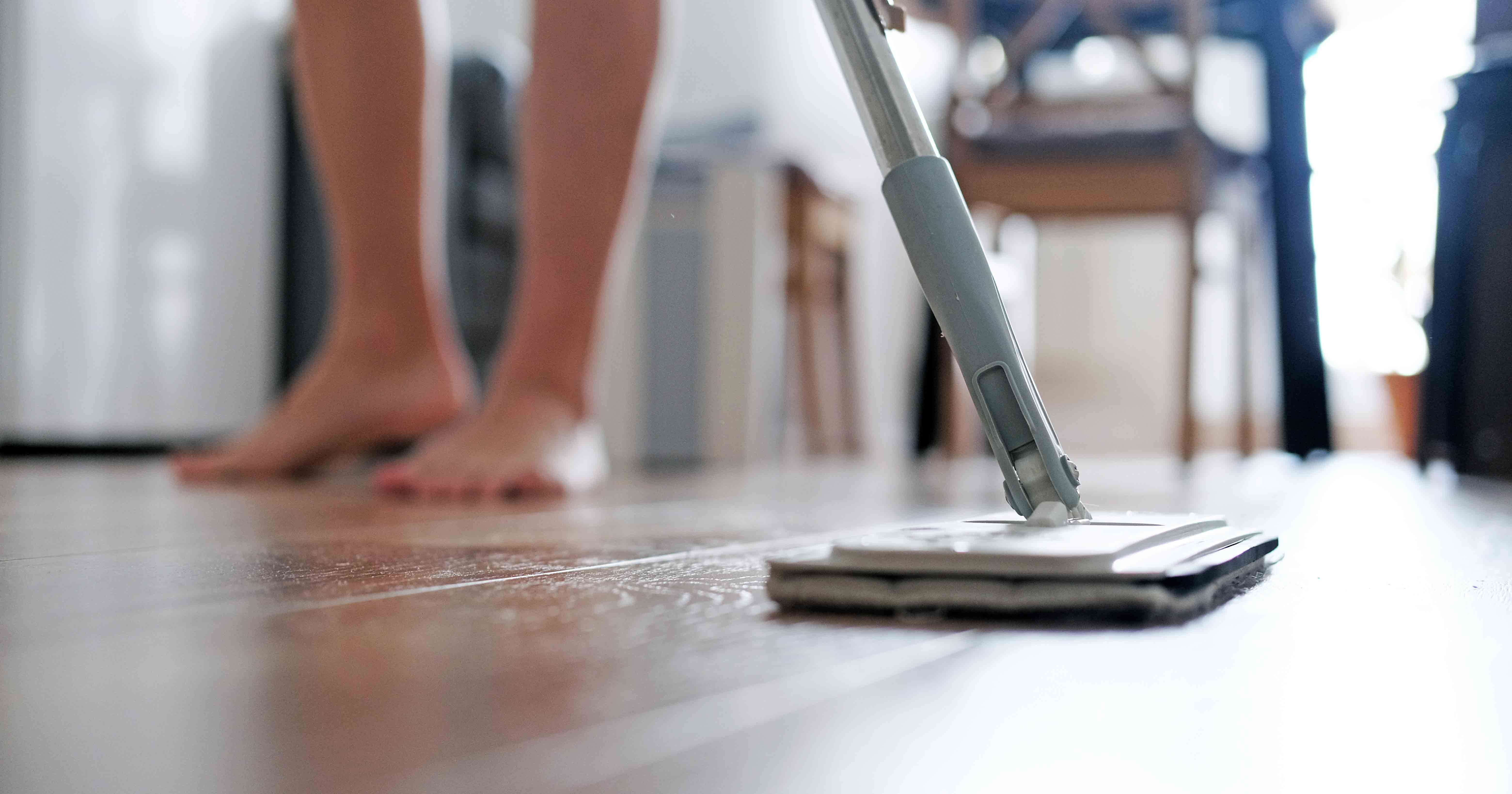
Cleaning Requirements and Long-Term Maintenance
Hospitality venues demand flooring that can handle constant use.
Therefore, cleaning and maintenance requirements should be evaluated alongside aesthetics and performance.
Questions to Ask Before Choosing Flooring
Consider:
- How frequently will the floor be cleaned?
- Will food or beverage spills be common?
- Is moisture exposure likely?
- How much daily foot traffic will the area receive?
- What are the long-term maintenance costs?
Choosing flooring based solely on appearance can result in higher maintenance expenses over time.
Low-Maintenance Flooring Options
Luxury vinyl flooring remains one of the most popular choices for hospitality venues because it offers:
- Easy cleaning
- Excellent durability
- Moisture resistance
- Minimal maintenance requirements
- Attractive design options
Similarly, commercial hybrid flooring has become increasingly popular due to its waterproof construction and robust wear layers.
How to Choose the Right Flooring for Your Hospitality Venue
The most successful flooring projects start with a clear understanding of operational requirements.
Before making a final decision, we recommend following this process:
Step 1: Assess Traffic Levels
Identify areas with the highest daily foot traffic.
Step 2: Evaluate Safety Requirements
Consider slip resistance, moisture exposure, and compliance needs.
Step 3: Review Acoustic Goals
Determine whether noise reduction is important for guest comfort.
Step 4: Align Flooring With Brand Design
Choose colours, textures, and finishes that support your venue's identity.
Step 5: Consider Maintenance Requirements
Select products that suit your cleaning schedule and operational demands.
Step 6: Seek Expert Advice
Commercial flooring decisions can have long-term implications. Therefore, professional guidance often helps avoid costly mistakes.
Book a Commercial Flooring Consultation
Planning a hospitality fit-out or renovation?
At BC Floors, we provide expert advice and commercial flooring solutions tailored to restaurants, cafés, hotels, bars, clubs, and event venues across NSW. We'll help you select flooring that meets your safety, performance, and design requirements while delivering long-term value.
Book your free measure and quote today and speak with our commercial flooring specialists.



%20(1).png)
.png)