How to Keep Hardwood Floors Looking Great: A Quick Care Guide
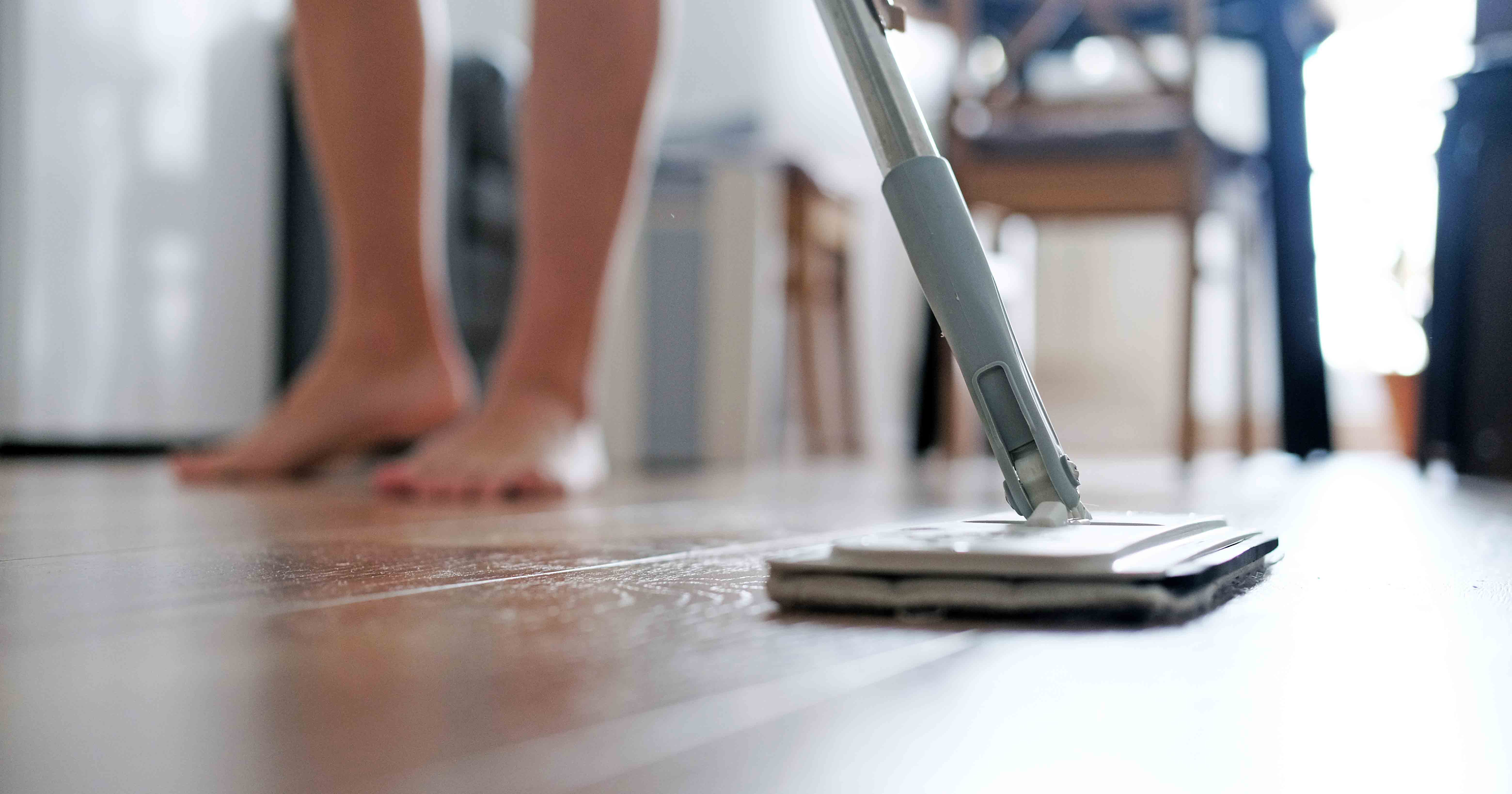
Regular care helps hardwood floors stay beautiful and durable over time. Sweep or vacuum often to remove grit, mop only with a lightly damp microfiber cloth, and avoid harsh chemicals or soaking the wood. Promptly wipe up spills, use felt pads under furniture, and control indoor humidity — these steps protect the finish and extend your floor’s lifespan.
Introduction
Welcome to the world of hardwood floors! As an owner of these timeless treasures, it's essential to understand the importance of proper care and maintenance. By dedicating a little time and effort, you can ensure that your hardwood floors remain remarkable and resilient for years to come. In this article, we'll take you through a step-by-step journey on how to properly care for your hardwood floors, from cleaning routines to preventive measures. So, let's dive in and make your floors shine!
Understanding Your Hardwood Floors
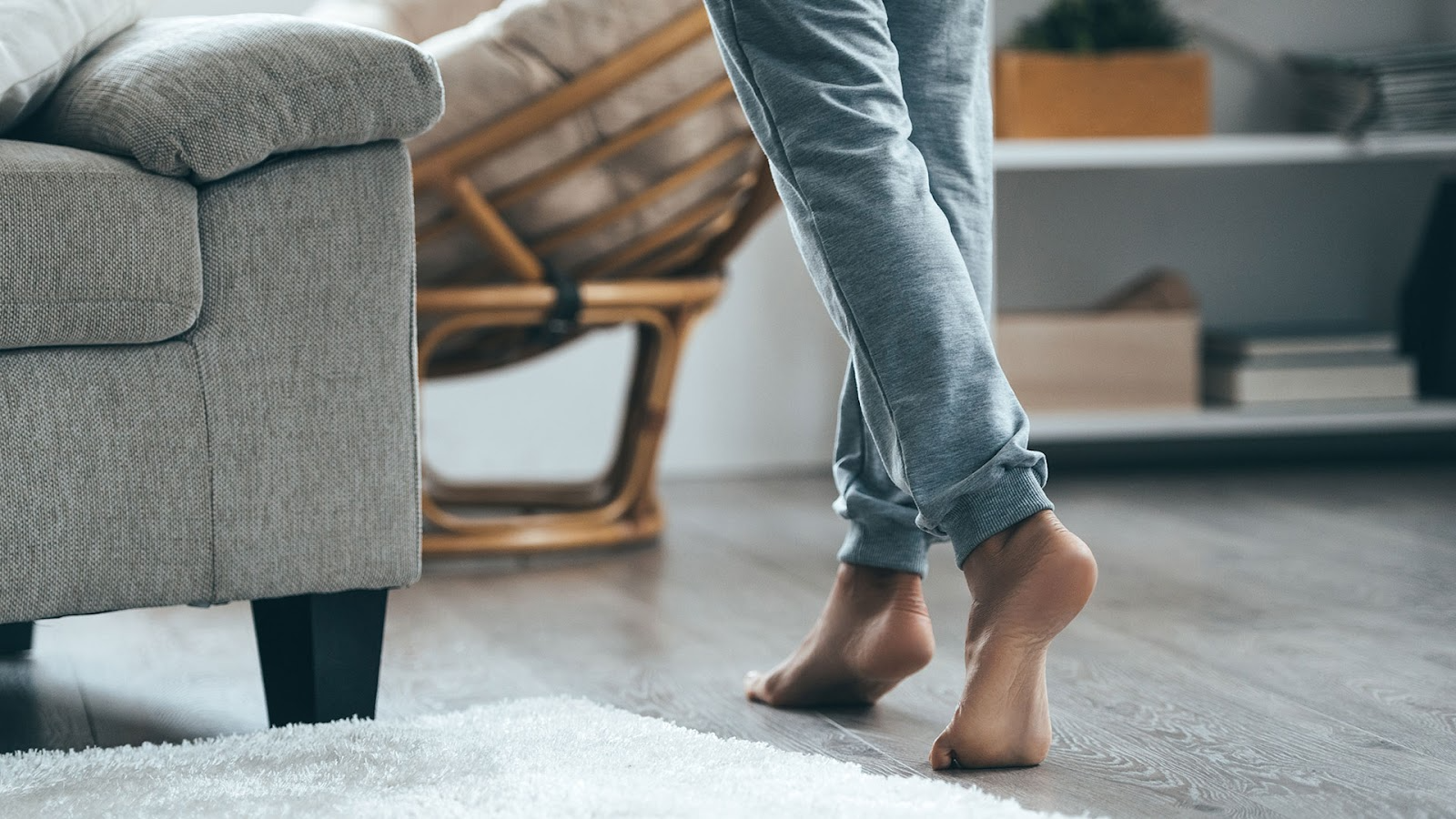
Before we delve into the care and maintenance aspect, let's get acquainted with your hardwood floors. They come in a variety of types, each with its own unique characteristics and charm. Whether you have Oak, Blackbutt or Spotted Gum, understanding the characteristics of your hardwood will help you tailor your care routine accordingly.
To begin, take a moment to assess the condition of your floors. Look out for scratches, dents, or signs of wear and tear. This will allow you to identify any specific areas that may require extra attention or restoration. Let's not forget about finishes and coatings - these protective layers are vital for maintaining the longevity of your hardwood floors. There are different options available, such as lacquers, oils, and polyurethanes, and understanding the pros and cons of each will help you make an informed decision when it comes to protecting your floors.
Cleaning and Maintenance
Now that you're familiar with your floors, let's look at the cleaning and maintenance routines that will keep them at their best.
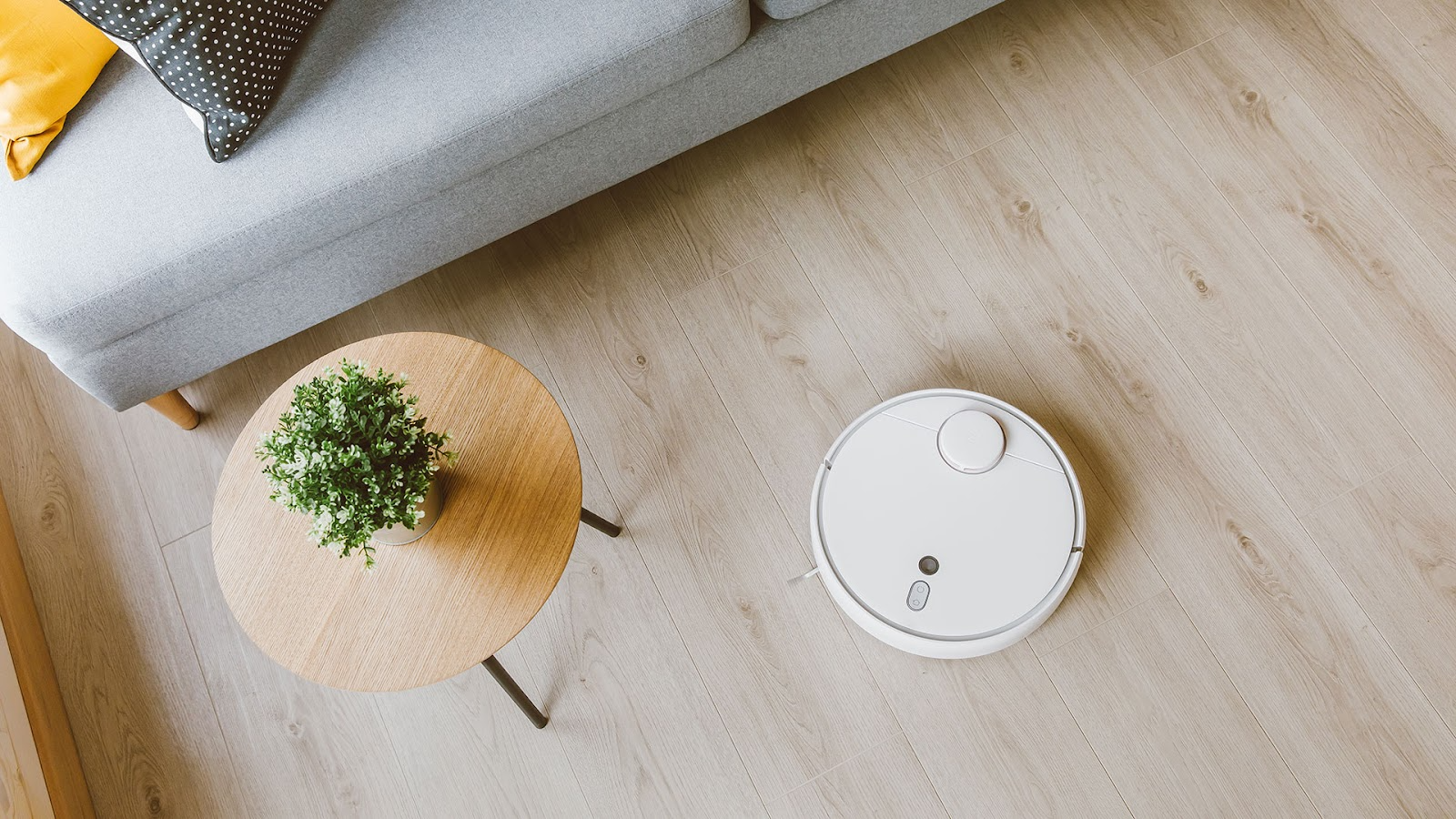
Start with the basics: sweeping or dusting your floors daily using a soft-bristle broom or a microfiber mop to remove dust, dirt, and debris that can accumulate over time.
For weekly maintenance, a vacuum cleaner with a brush attachment or a damp mop will do the trick. Make sure to use a mop that is only slightly damp, as excessive moisture can damage the wood. It's always a good idea to check the manufacturer's guidelines for specific cleaning instructions.
Accidents happen, and spills are inevitable, but the key is to act quickly. Wipe up spills immediately to prevent any moisture from seeping into the wood. For stubborn stains or scratches, don't fret - we’ve got some handy tricks up our sleeves. For light scratches, try using a touch-up marker or a matching wood stain pen. For deeper scratches, consider using a specialised wood filler or calling in a professional for restoration.
When it comes to cleaning solutions, it's best to stick to pH-neutral or hardwood floor-specific cleaners. Avoid harsh chemicals or abrasive cleaners, as they can damage the finish and dull the natural beauty of the wood. Always follow the product instructions and test any new cleaning solution in a discreet area before applying it to the entire floor.
Preventive Measures
Prevention is the key to maintaining the condition of your hardwood floors. Furniture, pets, and heavy foot traffic can take a toll on your floors. To mitigate potential damage, using furniture pads under the legs of chairs, tables, and other heavy items to prevent scratches and dents caused by furniture movement. When it comes to pets, make sure their nails are trimmed regularly to minimise scratches. Additionally, consider using pet-friendly rugs or mats in high-traffic areas to provide an extra layer of protection.
Speaking of rugs and mats, they are more than just accessories for your hardwood floors - they're like superheroes, shielding your floors from potential harm. Placing area rugs or mats in entrance ways, hallways, and areas prone to spills can prevent dirt, moisture, and debris from being tracked onto your beautiful hardwood floors. Just make sure to use rugs with a breathable backing to allow air circulation and prevent moisture buildup.
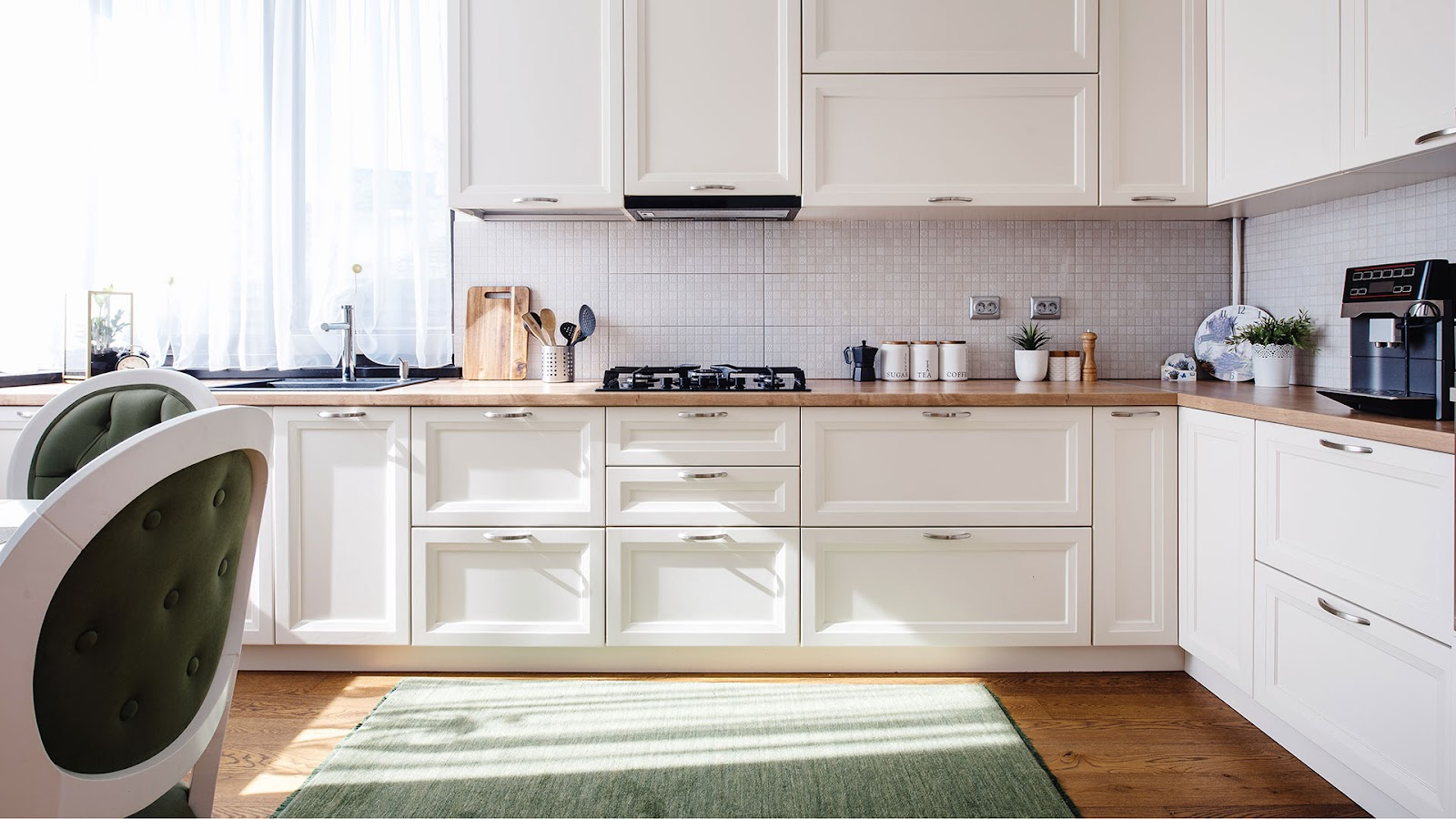
Moisture is a common nemesis of hardwood floors. It can cause warping, cupping, and even mould growth. To prevent moisture damage, avoid excessive water when cleaning your floors and promptly wipe up any spills. In areas like kitchens and bathrooms where moisture levels are higher, consider using mats near sinks, tubs, and toilets to catch any splashes or drips.

Refinishing and Restoration
Over time, even the most well-cared-for hardwood floors may need a little extra attention. Refinishing or restoration can breathe new life into worn or damaged floors, restoring their natural beauty.
When should you consider refinishing or restoration? Signs include deep scratches, dullness, excessive wear, or damage to the protective finish. If you notice these issues, it's time to bring in the professionals. The team at BC floors have the expertise and tools to assess the condition of your floors and determine the best course of action.
Choosing the right flooring contractor is crucial for a successful refinishing or restoration project. Look for reputable professionals with experience in hardwood flooring, ask for recommendations, read reviews, and request samples of their work. A skilled contractor will provide a detailed assessment, outline the necessary steps, and offer a fair and transparent estimate. If this is something that you’re looking at investing in, chat with the BC Floors team today.
Conclusion
Congratulations! You're now equipped with the knowledge and tips to properly care for your hardwood floors. Remember, a little effort goes a long way in maintaining their beauty and longevity. By understanding your floors, following a regular cleaning routine, implementing preventive measures, and seeking professional help when needed, you'll enjoy the elegance and warmth of your hardwood floors for years to come.