.png)


Reducing allergens in your home starts with the right flooring choice. In Illawarra and Wollongong, where moisture and dust can build up, hard surface, low-VOC flooring options offer a cleaner, healthier living environment. This guide explains the best materials, how they perform, and how to maintain them.
Flooring plays a major role in indoor air quality because it either traps or repels allergens like dust mites, pollen, and pet dander.
In Illawarra homes, coastal moisture and seasonal changes can worsen allergen buildup. Choosing the right flooring helps minimise these particles and makes cleaning more effective.
What are the best low-allergen flooring types for Wollongong homes?
Hard surface flooring is generally the best option because it doesn’t trap allergens and is easy to maintain.
Top low-allergen flooring options:
- Vinyl plank flooring – Waterproof, smooth surface, and easy to clean
- Laminate flooring – Durable with a sealed top layer that resists dust buildup
- Engineered timber – Natural look with stable construction and low allergen retention
- Tile flooring – Non-porous and highly resistant to moisture and mould
We often recommend exploring options like or for homes prioritising air quality and durability.
Hard flooring vs carpet: which is better for allergies?
Hard flooring (vinyl, laminate, timber):
Hard flooring is the better option for allergy-prone homes because it has low dust retention and a smooth, sealed surface that prevents allergens from settling. Dust, pollen, and pet dander remain on the surface, making them easy to remove with regular sweeping or mopping. Most hard flooring options also offer good moisture resistance, helping reduce the risk of mould in damp NSW conditions.
Carpet tends to trap dust, pollen, and pet dander deep within its fibres, leading to higher allergen buildup over time. While it can act as a temporary filter, these particles are difficult to fully remove without frequent vacuuming and professional cleaning. Carpet is also more prone to retaining moisture, which can increase the risk of mould and mildew, particularly in coastal or humid environments like the Illawarra region.
What are low-VOC flooring options and why do they matter?
Low-VOC (Volatile Organic Compound) flooring reduces harmful airborne chemicals, improving indoor air quality.
In modern Australian homes, especially newly built or renovated spaces, VOC emissions can contribute to respiratory irritation. Choosing certified low-VOC products ensures a healthier indoor environment.
Common low-VOC flooring choices
- Hybrid and vinyl flooring with certified low emissions
- Engineered timber with eco-friendly adhesives
- Carpet with low-VOC backing and fibres
At BC Floors, we prioritise products that meet Australian indoor air quality standards, helping homeowners make safer choices.
How do different flooring materials trap or repel allergens?
Different materials behave very differently when it comes to dust, pollen, and pet dander.
Allergen behaviour by flooring type
- Smooth, sealed surfaces (vinyl, laminate):
- Repel dust and allow easy removal through sweeping or mopping
- Textured or porous surfaces (some timber, grout lines):
- Can collect particles if not properly sealed
- Soft fibres (carpet):
- Trap allergens deep within the pile
Key takeaway - The smoother and more sealed the surface, the less opportunity allergens have to accumulate.
How does Illawarra’s climate affect dust and allergen buildup?
The Illawarra region’s coastal conditions introduce additional challenges:
- Humidity increases mould risk, especially in poorly ventilated areas
- Salt air can carry fine particles indoors
- Seasonal pollen levels impact indoor air quality
This makes moisture-resistant, easy-to-clean flooring essential for maintaining a healthy home environment.
What maintenance practices keep flooring allergen-free?
Even the best flooring needs proper care to stay effective.
Essential cleaning routine
- Vacuum regularly using a HEPA-filter vacuum
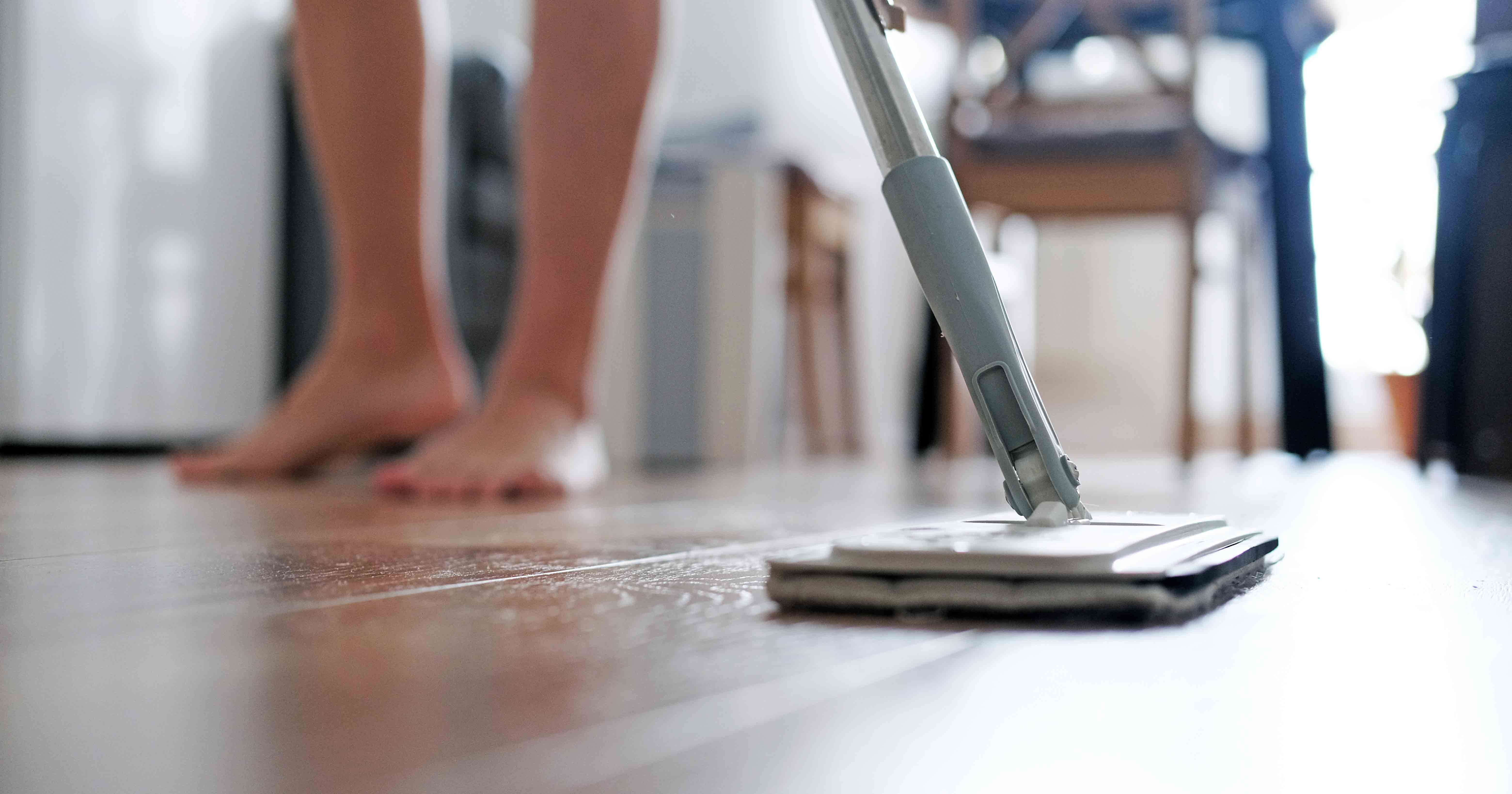
- Damp mop hard floors weekly to remove fine particles
- Wipe spills immediately to prevent mould growth
Extra tips for Wollongong homes
- Use door mats to reduce outdoor debris
- Maintain ventilation to control humidity
- Avoid harsh chemicals that can damage finishes or release VOCs
What finishes and installation methods help reduce allergens?
Flooring performance isn’t just about the material—it’s also about how it’s installed and finished.
Best practices
- Sealed finishes: Prevent dust from settling into micro-gaps
- Floating floor systems: Reduce gaps where allergens can collect
- Moisture barriers: Essential for preventing mould in damp conditions
Professional installation ensures these elements work together effectively, especially in coastal NSW homes.
What flooring is best for allergy-prone households with pets?
Homes with pets require flooring that resists both allergens and wear.
Recommended options
- Waterproof vinyl planks
- Durable laminate flooring
- Scratch-resistant hybrid flooring
These materials are easier to clean and don’t hold pet dander like carpet.
For high-traffic or mixed-use spaces, we can also offer added durability.
How can BC Floors help you choose the right allergy-friendly flooring?
We understand the specific challenges of Illawarra homes—from coastal moisture to busy family lifestyles.
Our team helps you:
- Select low-allergen, low-VOC materials
- Match flooring to your home’s environment and usage
- Ensure professional installation for long-term performance
You can also explore more insights in our related guides on flooring trends and maintenance across our website.


%20(1).png)
.png)