.png)



Why Acoustic Flooring Matters in Modern Offices
Sound-absorbing flooring such as carpet tiles, acoustic vinyl and rubber helps reduce footfall noise, echo and general office chatter. Paired with quality underlay, these materials create quieter, more productive workspaces while improving comfort and maintaining a polished, professional aesthetic.
Introduction
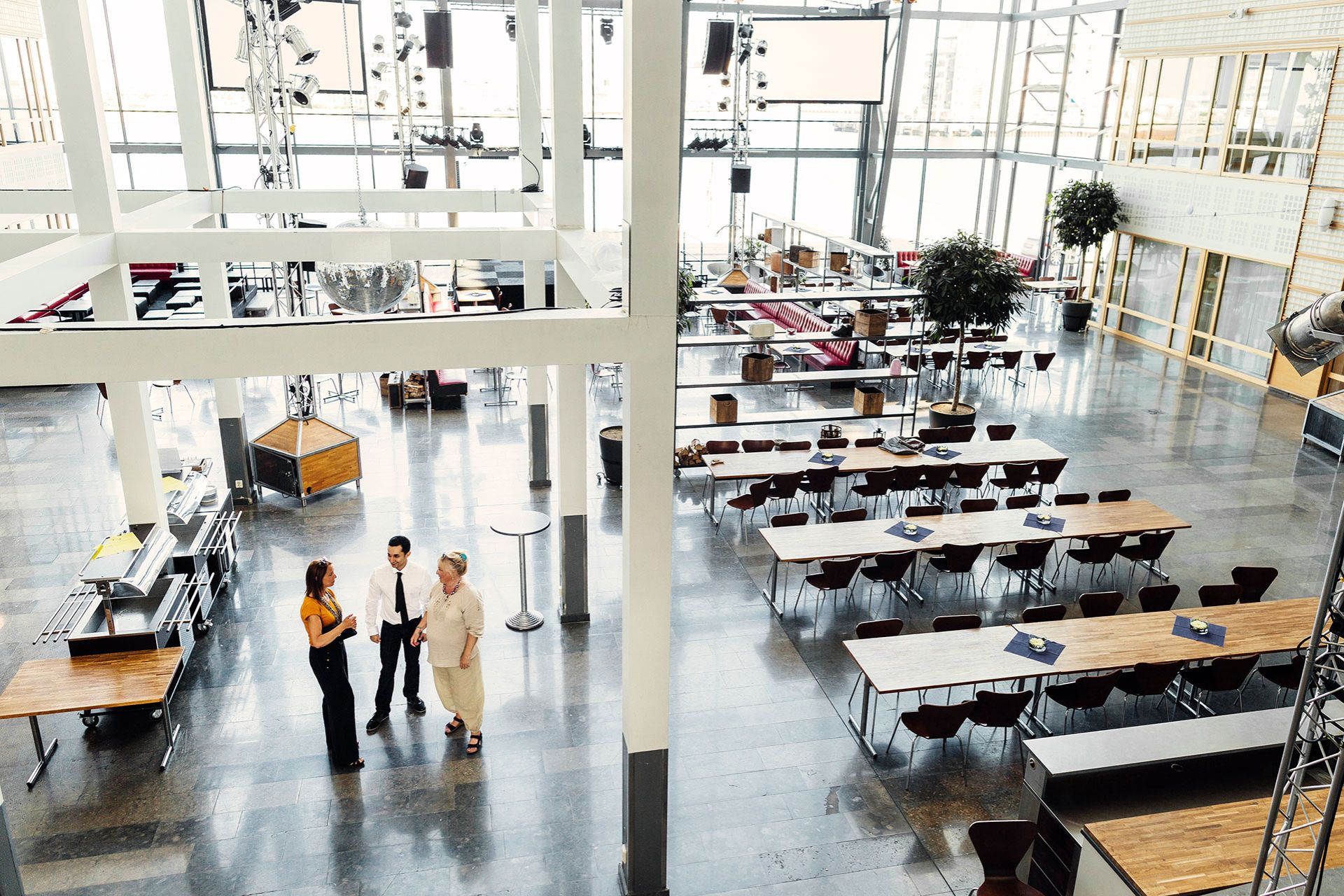
In today’s open-plan office environments, controlling noise is essential to maintaining productivity, comfort, and professionalism. From echoing conversations to footfall in shared spaces, poor acoustics can quickly disrupt a working environment.
Flooring plays a critical role in managing sound within a commercial setting. In this article, we explore the most effective commercial flooring solutions for noise reduction, including the benefits of carpet tiles and acoustic underlays, as well as how to maintain your flooring in high-traffic areas.
How Carpet Tiles Reduce Echo in Open-Plan Layouts
Carpet tiles are a proven solution for improving acoustics in large, open spaces. Their soft surface helps absorb sound, reducing echo and background noise.
- Sound absorption – The fibres in carpet tiles trap sound waves rather than reflecting them, helping to dampen noise from conversations, movement, and office equipment.
- Zoning with design – Carpet tiles can be used to define work zones or meeting areas while reducing reverberation between sections of an open-plan layout.
- Modular and replaceable – Carpet tiles offer flexibility for maintenance and design, making them an ideal choice for high-use commercial spaces where occasional replacement may be required.
This makes carpet tiles especially suitable for collaborative workspaces, call centres, and boardrooms where clear communication is essential.
The Role of Acoustic Underlays in Hard Flooring
While hard flooring options like hybrid or vinyl are often favoured for durability, they can also be made quieter with the right underlay.
- Reduces impact noise – Acoustic underlays help absorb sound caused by footsteps, chair movement, and dropped objects, particularly in multi-storey office buildings.
- Supports sound insulation – When installed correctly, an acoustic underlay can assist with minimising sound transmission between floors.
- Adds comfort – In addition to noise reduction, underlays provide cushioning underfoot, which can improve comfort during long workdays.
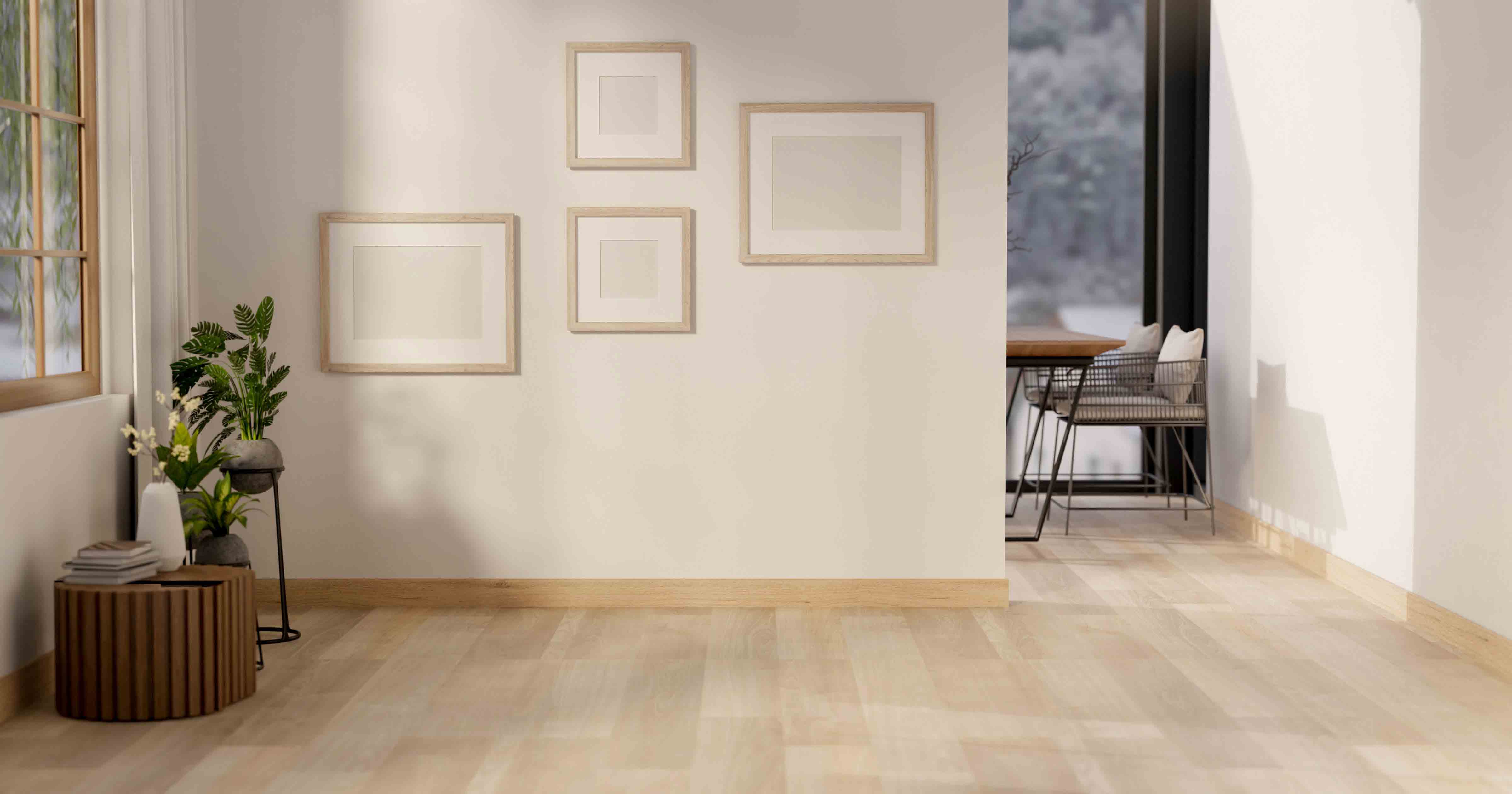
Hybrid flooring, when paired with a quality underlay, offers a great balance between professional appearance, low maintenance, and acoustic support.
Maintenance Tips for High-Traffic Commercial Spaces
Choosing the right flooring is only part of the solution – keeping it in good condition ensures it continues to perform acoustically and visually.
- Routine vacuuming – Carpet tiles should be vacuumed regularly to maintain their sound-absorbing properties and appearance.
- Prompt cleaning of spills – Whether on carpet or hard surfaces, cleaning up spills quickly prevents staining and maintains hygiene.
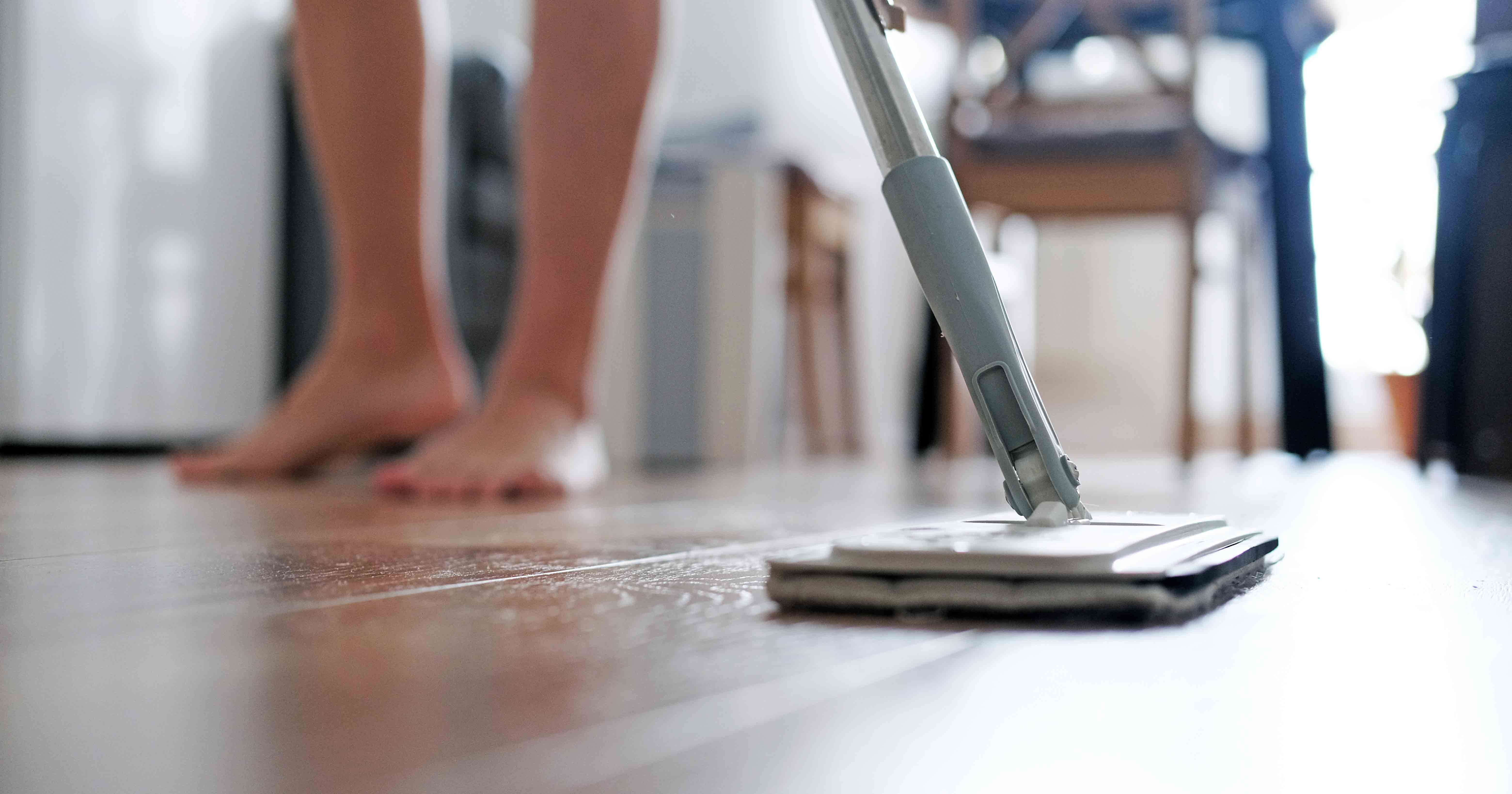
- Scheduled deep cleaning – Periodic steam cleaning or professional maintenance will extend the lifespan of your flooring and preserve its noise-reducing benefits.
- Monitor wear patterns – In busy office areas, rotate or replace worn carpet tiles to maintain consistent sound performance across the space.
With consistent care, commercial flooring can remain both functional and attractive, even under heavy use.
Conclusion
Noise reduction in office environments starts from the ground up. Carpet tiles and hard flooring with acoustic underlays offer practical solutions that improve both comfort and functionality. By pairing the right materials with a reliable maintenance routine, businesses can create workspaces that sound as good as they look.
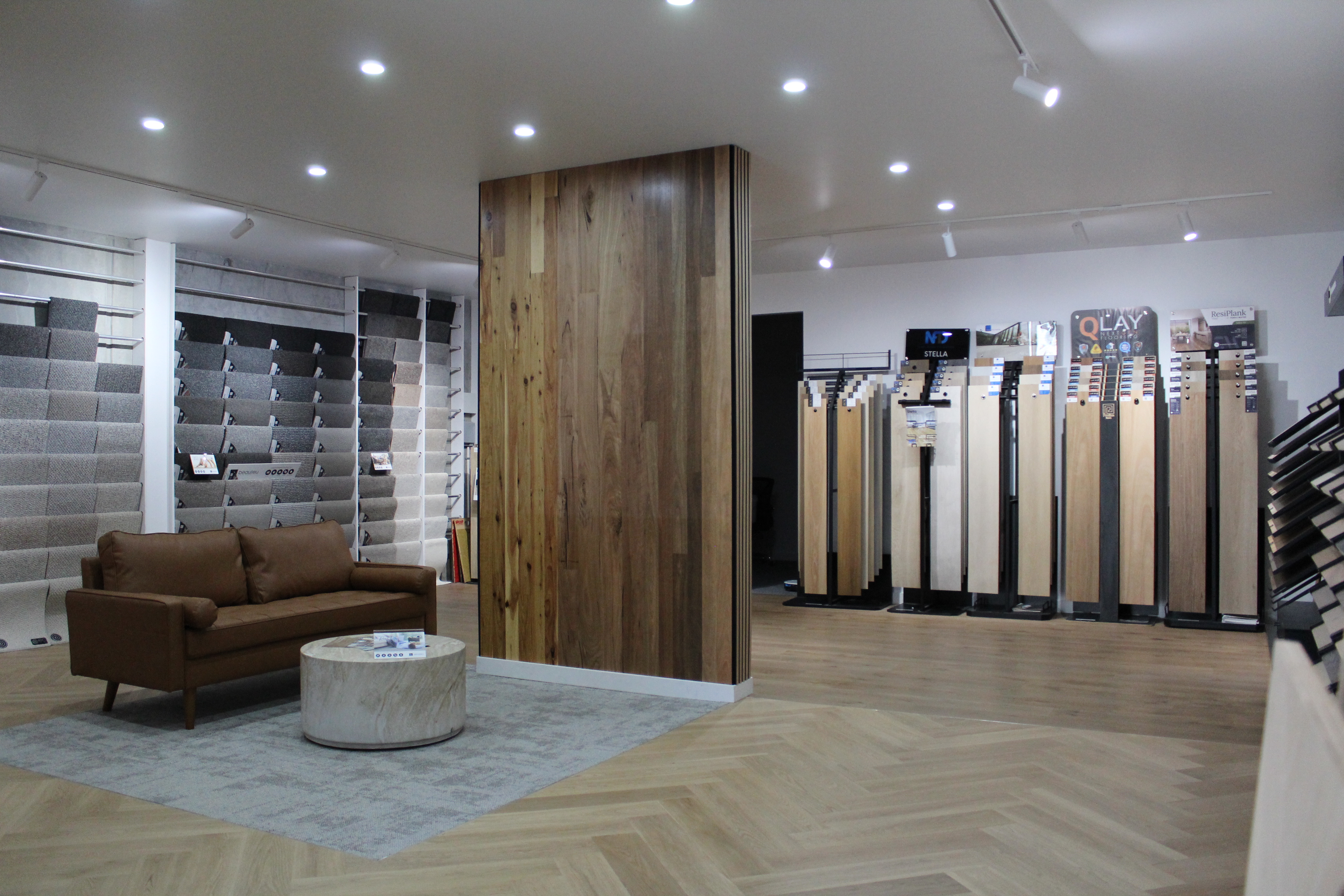
Drop by the BC Floors showroom to explore the full range.




%20(1).png)
.png)