.png)


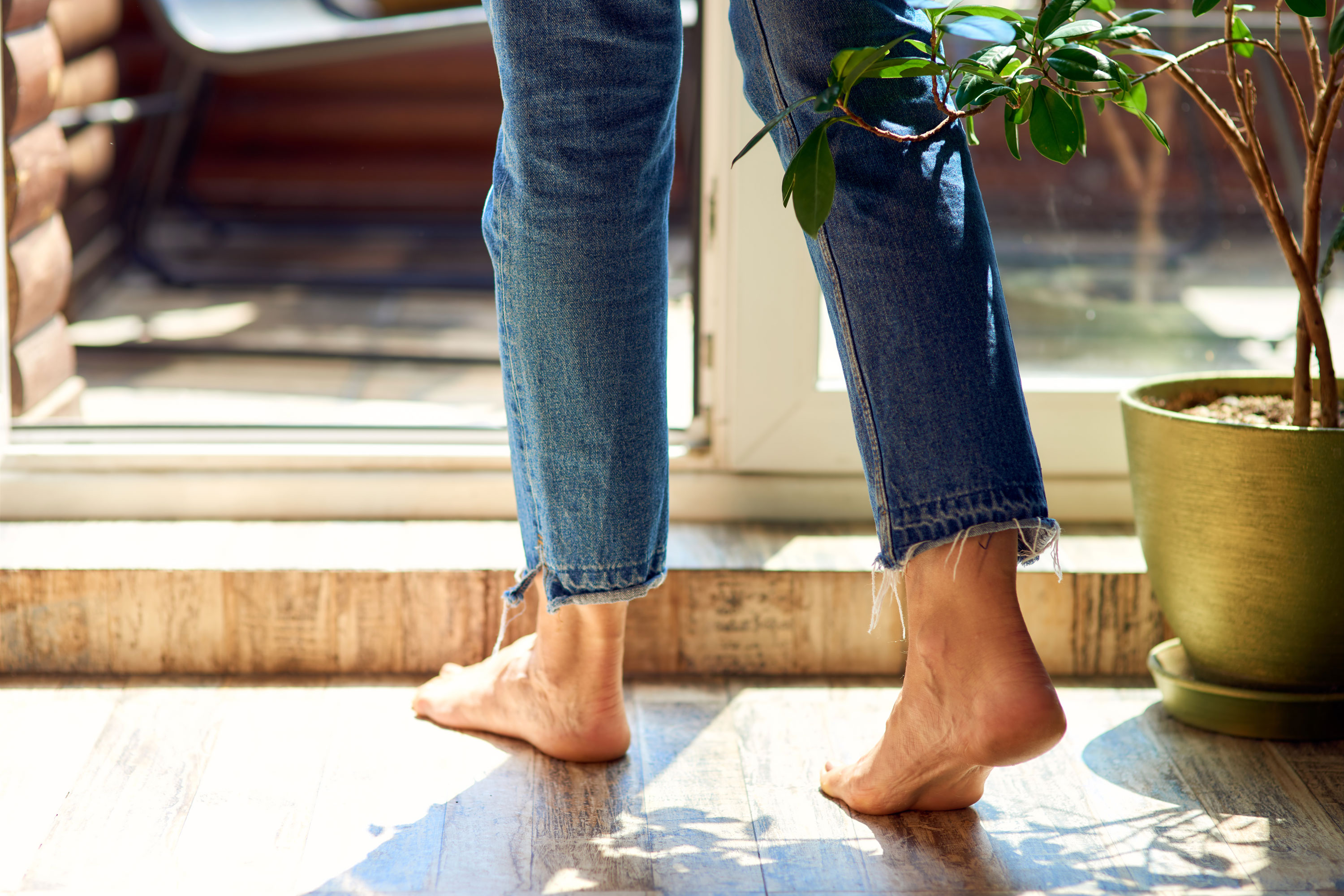
Sustainable flooring is rapidly growing in NSW, with options like bamboo, cork, recycled timber, and low-VOC hybrids leading the way. Choosing the right eco-friendly floor means balancing environmental impact with durability, cost, and suitability for the Illawarra’s coastal climate.
Sustainable flooring is gaining traction because homeowners and businesses want healthier, longer-lasting, and environmentally responsible materials.
In the Illawarra and Wollongong regions, this shift is also driven by coastal conditions—humidity, salt air, and temperature changes all influence flooring performance.
We’re seeing increased demand for materials that:
- Reduce environmental impact
- Improve indoor air quality
- Handle moisture and wear effectively
- Offer long-term value
For both residential and commercial spaces, sustainability is no longer a “nice-to-have”—it’s a practical decision.
What are the most popular eco-friendly flooring materials in Australia?
The most popular sustainable flooring options include bamboo, cork, recycled timber, and low-VOC hybrid or vinyl flooring. Each offers unique benefits depending on the space and usage.
Is bamboo flooring a sustainable choice?
Yes—bamboo is one of the fastest-growing renewable materials, making it highly sustainable.
Bamboo reaches maturity in 3–5 years (compared to decades for hardwood), which allows for rapid replenishment. It also offers:
- Strong durability when properly manufactured
- A modern, natural aesthetic
- Suitability for living areas and bedrooms
However, quality varies, so professional sourcing and installation are essential.
Why is cork flooring considered eco-friendly?
Cork is sustainable because it is harvested from the bark of cork oak trees without cutting the tree down.
This regenerative process allows the tree to continue growing and absorbing carbon. Cork flooring also provides:
- Natural insulation (thermal and acoustic)
- Comfort underfoot
- Resistance to mould and mildew
This makes it particularly suitable for Illawarra homes where humidity can be a concern.
Is recycled timber flooring worth considering?
Yes—recycled timber reduces demand for new logging and repurposes existing materials.
It offers:
- Unique character and grain patterns
- Strong durability when properly treated
- Reduced environmental footprint
For homeowners wanting a premium, natural look, recycled timber is an excellent alternative to traditional hardwood.
Are hybrid and vinyl floors sustainable?
Modern hybrid and vinyl flooring can be sustainable when manufactured with low-VOC emissions and long lifespans.
High-quality options—like those found in our vinyl plank flooring range.
- Water resistance (ideal for coastal NSW homes)
- Long durability cycles
- Low maintenance requirements
Many products now meet strict indoor air quality standards, making them safer for families and workplaces.
What makes flooring “sustainable”?
Sustainable flooring is defined by its environmental impact across its entire lifecycle—from sourcing to disposal.
Key sustainability factors include:
- Renewable materials: Rapidly replenished resources like bamboo or cork
- Recycled content: Reclaimed timber or reused materials
- Low VOC emissions: Reduced harmful chemicals for better air quality
- Durability: Longer lifespan reduces replacement frequency
- Responsible sourcing: FSC or PEFC-certified timber products
At BC Floors, we prioritise materials that meet these criteria while still performing in real-world Australian conditions.
How does sustainability impact indoor air quality?
Low-VOC flooring improves indoor air quality by reducing harmful emissions.
Traditional flooring materials and adhesives can release volatile organic compounds (VOCs), which may affect health over time.
Sustainable alternatives help:
- Reduce respiratory irritation
- Improve comfort in enclosed spaces
- Support healthier living environments
This is particularly important for families, offices, and hospitality venues.
How do you balance sustainability with durability and cost?
The best sustainable flooring balances environmental benefits with long-term performance and affordability.
Here’s how we approach it:
1. Choose durability first
A longer-lasting floor is inherently more sustainable. Replacing floors frequently increases waste and cost.
2. Match the material to the space
Wet areas → Hybrid or vinyl
Living areas → Bamboo or engineered timber
Commercial spaces → Durable low-VOC products
Explore options like our engineered timber flooring for a balance of sustainability and performance.
3. Consider lifecycle cost
Upfront cost is only part of the equation. Maintenance, repairs, and lifespan all affect overall value.
Which sustainable flooring is best for Illawarra’s climate?
Hybrid and vinyl flooring are often the most practical sustainable choices for coastal NSW due to moisture resistance.
The Illawarra region experiences:
- High humidity
- Coastal air exposure
- Seasonal temperature changes
Because of this, we typically recommend:
- Hybrid flooring: Waterproof and stable
- Vinyl planks: Durable and low-maintenance
- Engineered timber: More stable than solid timber
For more insights, see our guide on flooring solutions for local conditions and choosing the right flooring for your home.
What are the pros and cons of sustainable flooring?
Benefits
- Lower environmental impact
- Improved indoor air quality
- Long-term durability
- Modern design versatility
Considerations
- Higher upfront cost (in some cases)
- Variation in product quality
- Installation requirements for certain materials
Working with experienced professionals ensures you get the right product for your needs.
Ready to Choose Sustainable Flooring for Your Space?
Choosing the right sustainable flooring isn’t just about being eco-friendly—it’s about finding a solution that performs in your environment and suits your lifestyle or business needs.
At BC Floors, we help Illawarra homeowners and businesses select flooring that balances sustainability, durability, and design.
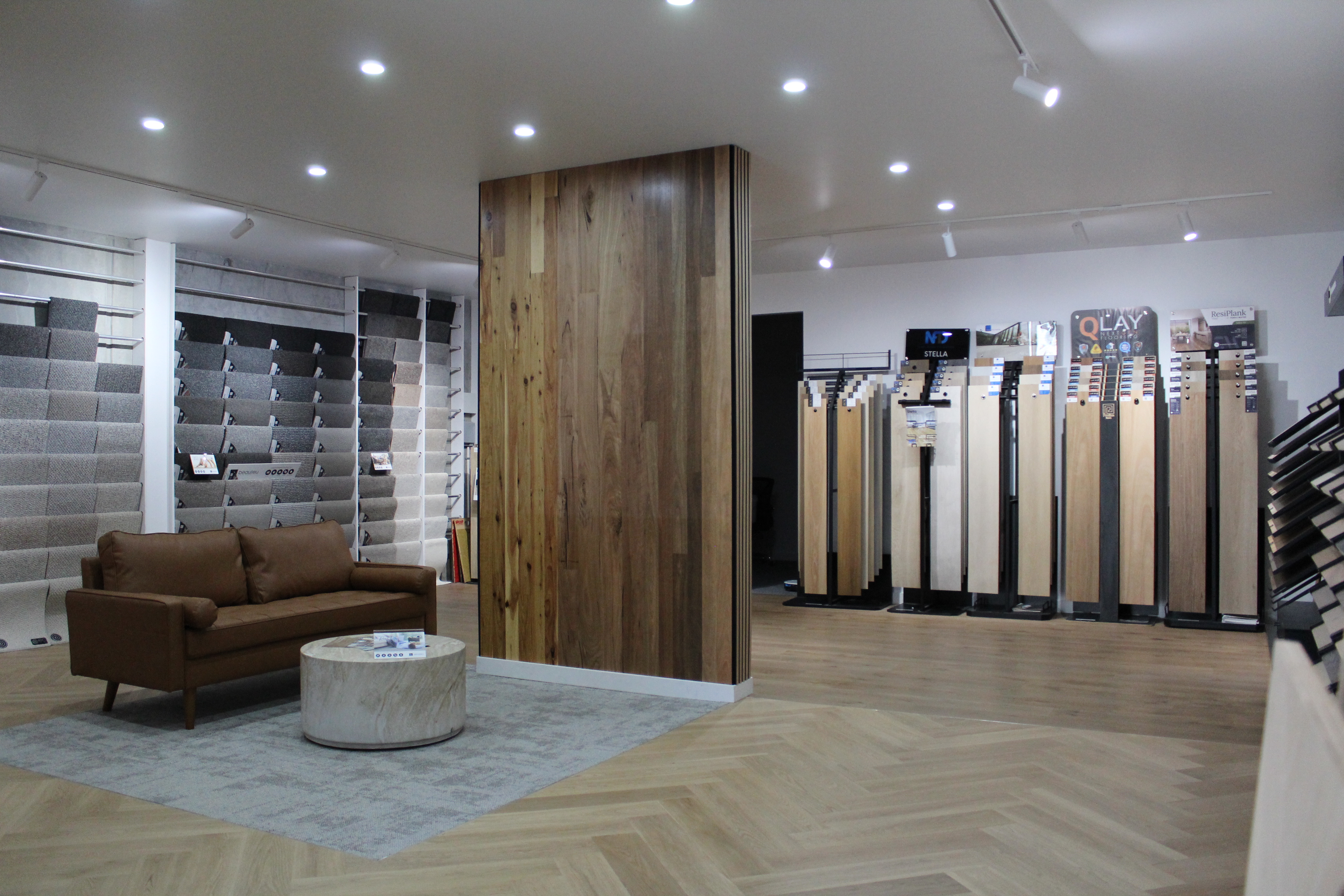
Explore our full range or get in touch today for expert advice and a tailored quote.


%20(1).png)
.png)