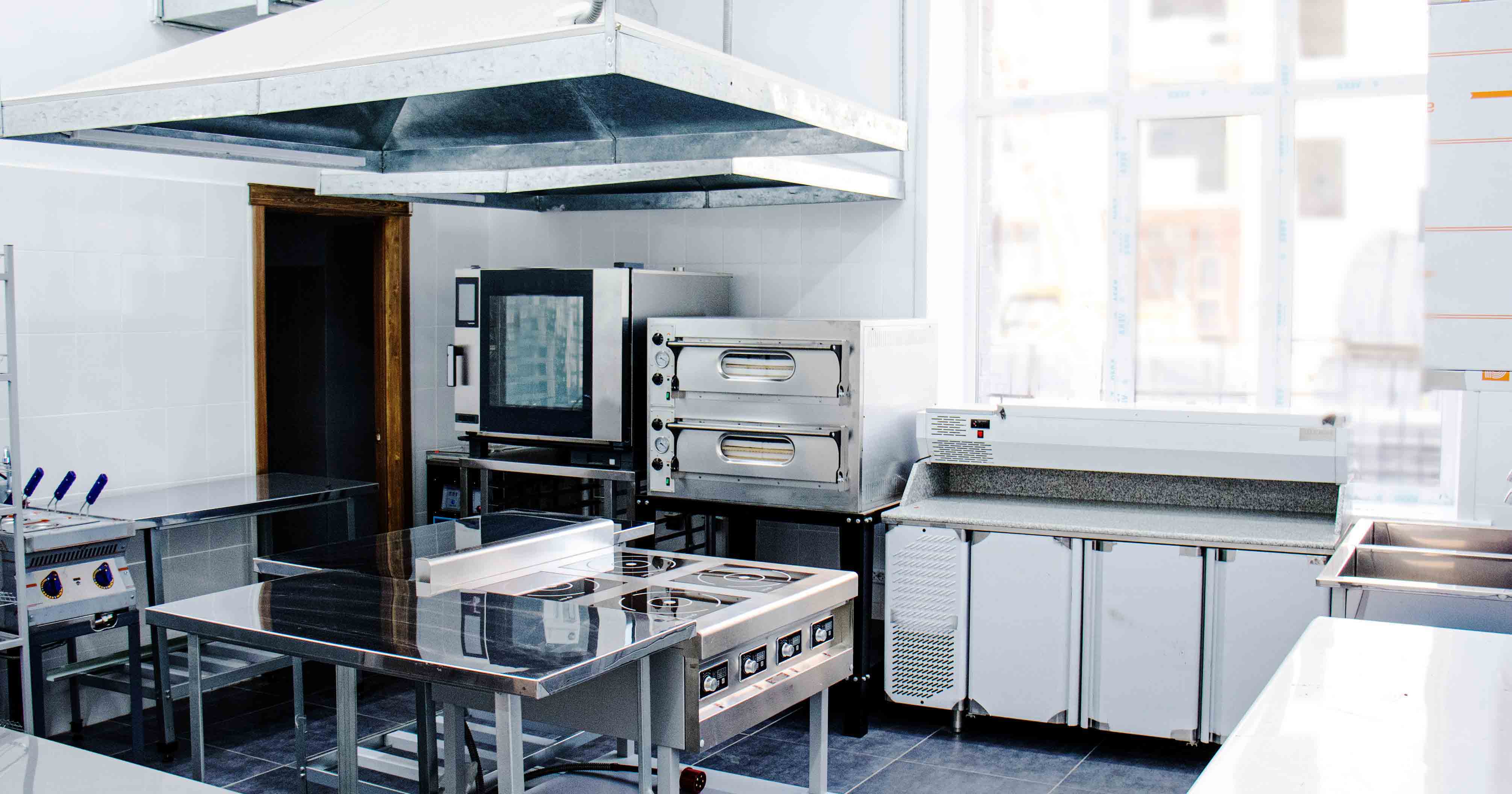
Explore waterproof flooring for commercial kitchens and wet areas, including slip resistance, hygiene, durability, maintenance and key considerations when choosing flooring for demanding hospitality environments.
Choosing waterproof flooring for commercial kitchens and wet areas requires more than finding a surface that can handle the occasional spill. Commercial kitchens face water, grease, food residue, frequent cleaning and constant foot traffic. Therefore, the flooring needs to suit the specific conditions of the workplace while supporting safety, hygiene and long-term performance.
At BC Floors, we supply and install flooring for commercial environments across the Illawarra, Southern Highlands, Shoalhaven, Sydney and beyond. Our approach starts with understanding how the space will actually be used, because traffic, moisture exposure, cleaning requirements and safety considerations all influence the right flooring choice.
Whether you're fitting out a restaurant kitchen, café, bar or another moisture-prone commercial space, here are the key factors to consider.
Why Commercial Kitchen Flooring Needs a Different Approach
A commercial kitchen places significant demands on its floor. Unlike many customer-facing areas, back-of-house spaces can experience frequent spills, grease, dropped items, cleaning chemicals and constant movement.
As a result, flooring selection should consider:
- Water and moisture exposure
- Slip resistance
- Cleaning requirements
- Heavy foot traffic
- Stains and spills
- Trolleys and equipment
- Subfloor condition
- The specific use of each area
Safe Work Australia identifies wet or greasy floors as common slip hazards. It also recommends considering slip-resistant floor coverings, good drainage and procedures for cleaning spills.
This means there's no universal "best" commercial kitchen floor. Instead, the product and installation system need to be matched to the environment and any applicable building, food-safety and workplace requirements.
Our commercial flooring service helps businesses assess these practical requirements before choosing a product.
Choosing Waterproof Flooring for Commercial Kitchens
Water resistance is essential in areas where spills and frequent cleaning are expected. However, it's important to distinguish between a flooring product marketed as waterproof and a complete flooring system suitable for a wet commercial environment.
The finished result depends on more than the surface material. Subfloor preparation, joins, edges, transitions, drainage and installation methods can all influence performance.
Commercial Vinyl Flooring
Commercial vinyl is a strong option for many hospitality applications because it combines moisture resistance with straightforward cleaning and durable wear characteristics.
Depending on the product and application, benefits can include:
- Strong resistance to moisture and spills
- Easy-to-clean surfaces
- Commercial wear-layer protection
- A broad choice of finishes
- Suitability for high-traffic environments
BC Floors recommends commercial vinyl for environments where durability, water resistance and easy maintenance are priorities. Our guidance also notes that the right product needs to be selected according to traffic, safety and the space itself.
You can explore our vinyl plank flooring alongside our wider commercial range.
Hybrid Flooring
Hybrid flooring combines rigid construction with waterproof product designs and hard-wearing surfaces. BC Floors recommends commercial hybrid flooring for a range of high-traffic spaces exposed to moisture.
However, suitability needs to be assessed for the particular area. A product appropriate for a restaurant dining room or wet entry may not automatically be appropriate for a working commercial kitchen with grease, drainage and specific compliance requirements.
Therefore, we recommend choosing flooring according to the demands of each zone rather than applying one material throughout the entire venue.
Slip Resistance Is Essential in Wet Areas
Slip resistance deserves particular attention in kitchens and other areas where water, grease or food can reach the floor.
Safe Work Australia advises businesses to eliminate slip, trip and fall risks where reasonably practicable and minimise risks where elimination isn't possible. For food-service workplaces, recommended controls include maintaining flooring, using non-slip measures and warning people about wet or potentially slippery surfaces.
When assessing commercial flooring, consider:
- Whether the area is regularly wet
- The types of contaminants likely to reach the floor
- How frequently the surface will be cleaned
- Drainage requirements
- Expected staff and customer traffic
- Whether equipment or trolleys will move across the floor
Importantly, don't assume that "waterproof" automatically means "slip resistant". They describe different performance characteristics.
Where a project has specific slip-resistance requirements, the selected flooring should meet the requirements applicable to that location and intended use.
Hygiene and Easy-Clean Surfaces
Commercial kitchens need flooring that fits into an effective cleaning routine.
Smooth, durable surfaces can make everyday maintenance more manageable. However, the complete installation also matters. Poorly finished transitions, damaged areas and unsuitable joins can create places where contaminants and moisture accumulate.
For easier maintenance, look for flooring systems that provide:
- Surfaces suited to frequent cleaning
- Resistance to common spills
- Appropriate moisture performance
- Durable finishes
- Compatible cleaning requirements
Safe Work Australia also recommends cleaning spills promptly, implementing cleaning schedules and drying floors after cleaning to help control workplace slip risks.
Additionally, always follow the flooring manufacturer's care instructions. Using an unsuitable cleaner can damage the surface or leave residues that affect its appearance and performance.
For further advice, our article on scratch-resistant and waterproof flooring explains how wear layers, moisture resistance and installation affect flooring performance.
Durability Under Commercial Kitchen Conditions
A floor that handles moisture but wears quickly isn't a practical commercial solution.
Restaurant and café kitchens can remain active for long periods each day. Staff walk the same routes repeatedly, equipment moves across the surface and grit can enter from surrounding areas. Consequently, durability should form part of the decision from the beginning.
Commercial flooring may need to withstand:
- Constant foot traffic
- Regular mopping
- Chairs, trolleys and equipment
- Dirt and abrasive particles
- Food and beverage spills
- Repeated day-to-day wear
Commercial-grade vinyl is particularly useful in high-traffic environments because suitable products combine resilient wear layers with water resistance and straightforward maintenance. BC Floors also identifies hybrid as an option for appropriate high-traffic commercial areas where waterproof performance is valuable.
Our guide to commercial flooring that handles heavy foot traffic provides more detail on choosing floors for demanding business environments.
How to Choose the Best Commercial Flooring Material
Rather than selecting a floor based on appearance alone, we recommend working through the practical requirements first.
1. Identify the wettest areas
Determine where water, grease and other spills are most likely. A kitchen preparation zone may require a different solution from the dining area.
2. Assess traffic and equipment
Consider staff numbers, operating hours and whether trolleys or heavy equipment regularly move through the space.
3. Review slip risks
Think about how the floor performs under the conditions it will actually encounter, including water, grease and cleaning.
4. Consider cleaning requirements
Choose a surface compatible with the cleaning processes and products your business needs to use.
5. Assess the subfloor and installation
The flooring surface is only part of the system. Correct preparation and professional installation help deliver long-term performance.
6. Confirm project-specific requirements
Finally, check that the proposed flooring and installation system meet all requirements applicable to your particular commercial premises and intended use.
You can also read our guides to commercial flooring trends in Australia and durable commercial flooring materials when comparing options.
Get Waterproof Commercial Flooring Right From the Start
Choosing waterproof flooring for commercial kitchens and wet areas means balancing moisture performance with slip resistance, hygiene, durability and maintenance.
Commercial vinyl can be an excellent option for many moisture-prone business environments, while hybrid flooring can suit appropriate adjoining commercial spaces where waterproof construction and durability are priorities. Ultimately, however, the right specification depends on how each area operates.
At BC Floors, we can assess your commercial space, discuss traffic and safety requirements, evaluate the subfloor and recommend flooring suited to your project. BC Floors provides commercial flooring services and professional installation across the Illawarra, Southern Highlands, Shoalhaven, Sydney and surrounding areas.
Frequently Asked Questions
What is the best waterproof flooring for a commercial kitchen?
Commercial vinyl is a strong option for many moisture-prone hospitality environments because suitable products offer water resistance, durability and straightforward cleaning. However, commercial kitchens have specific safety and operational requirements, so the correct product and installation system should always be selected for the individual space.
Does waterproof flooring mean it is slip resistant?
No. Waterproofing and slip resistance are different flooring characteristics. A waterproof product isn't automatically suitable for a slippery or grease-prone environment. Flooring in areas likely to become wet or contaminated should provide appropriate grip for the conditions and intended use.
Is hybrid flooring suitable for commercial kitchens?
Hybrid flooring offers waterproof construction and strong durability, making commercial-grade products suitable for various business environments. However, a working commercial kitchen may have specific slip, drainage, cleaning and compliance requirements. Therefore, suitability should be assessed for the exact area rather than assumed from the product's waterproof rating alone.
How should commercial kitchen flooring be maintained?
Clean spills promptly, follow a regular cleaning schedule and use cleaning products approved for the flooring. Floors should also be inspected for damage and kept as clean and dry as reasonably possible. Correct cleaning matters because residue or inappropriate methods can reduce surface grip.
What should I consider before replacing commercial kitchen flooring?
Start with moisture exposure, slip risks, traffic, cleaning procedures, equipment movement and subfloor condition. You should also consider applicable requirements for the premises. A professional site assessment can help identify which flooring system best suits the operational demands of each area.
Book a Commercial Flooring Site Quote
Planning a new commercial kitchen, hospitality fit-out or upgrade to an existing wet area?
We can help you assess the space and compare flooring options based on moisture exposure, traffic, maintenance and practical performance.
Contact BC Floors to book a commercial flooring site consultation and find the right solution for your business.