Discover the best waterproof flooring options for beachfront properties, including hybrid and vinyl flooring. Learn how to choose durable, easy-clean floors that can handle sand, moisture, humidity and everyday coastal living.
Living close to the beach has obvious advantages, but sand, salt, humidity and wet feet can make flooring harder to maintain. That makes choosing the right waterproof flooring for beachfront properties an important part of creating a home that looks good and handles everyday coastal living.
At BC Floors, we work with homeowners across Wollongong, the Illawarra, Shoalhaven, Southern Highlands, Sydney and surrounding areas. Coastal conditions are therefore something we regularly consider when helping customers choose flooring.
For beachfront homes, the goal is not simply to find a floor labelled “waterproof”. You also need to consider scratch resistance, surface durability, cleaning requirements and the condition of the subfloor.
Fortunately, modern hybrid flooring and vinyl flooring provide practical options for coastal homes. Both can deliver timber-inspired style without many of the moisture concerns associated with traditional timber flooring.
What Is the Best Waterproof Flooring for Beachfront Properties?
For most beachfront homes, hybrid and vinyl plank flooring are two of the strongest options to consider. Both provide excellent moisture resistance, easy cleaning and finishes suited to contemporary coastal interiors.
However, the right product depends on the room, expected traffic and installation conditions.
Hybrid Flooring
Hybrid flooring combines a rigid, stable construction with practical waterproof performance. It also offers a timber-style appearance, which makes it particularly useful when homeowners want a coastal look without installing natural timber throughout high-use areas.
Key advantages include:
- Waterproof construction
- Strong scratch and stain resistance
- Good stability in humid conditions
- Easy day-to-day maintenance
- Timber-look finishes
- Suitability for high-traffic residential areas
For more detail, our guide to scratch-resistant and waterproof flooring explains why hybrid flooring performs well where moisture, sand and heavy foot traffic are common.
Vinyl Plank Flooring
Vinyl planks are another strong option for beachfront properties. The right vinyl product can provide waterproof performance, while its protective wear layer helps the surface cope with everyday traffic.
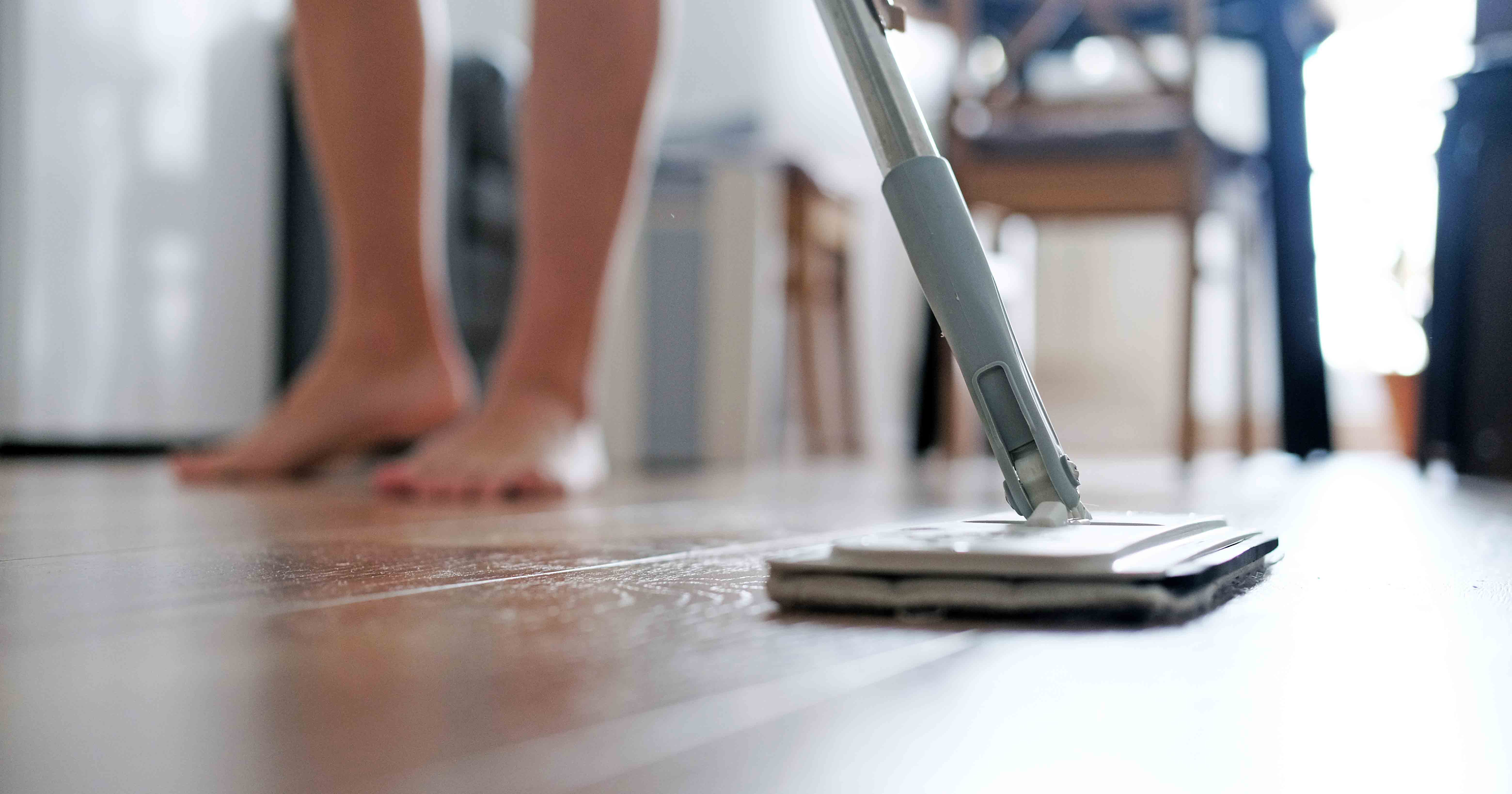
Additionally, vinyl is straightforward to maintain. Sand, dust and everyday spills can generally be removed through regular sweeping or vacuuming and appropriate mopping.
Vinyl can also reproduce timber and other natural finishes. Therefore, you do not have to give up the relaxed timber aesthetic that works so well in coastal homes.
Our article on vinyl planks for Australian homes explores why their combination of moisture resistance, resilience and low maintenance suits Australia’s coastal lifestyle.
How Sand, Salt and Moisture Affect Beachfront Flooring
Water is not the only issue near the beach. Sand can act as an abrasive when carried across a floor under shoes, bare feet or pet paws. Over time, repeated grit can affect the appearance of flooring surfaces.
Meanwhile, beachfront homes may experience higher humidity and salt-laden air. These conditions make moisture management and product selection particularly important.
Our guide to how salt air impacts flooring materials explains why sand, humidity and salt exposure increase the need for durable flooring and regular maintenance in coastal properties.
Natural timber can still have a place in a coastal home. However, it requires more consideration because timber responds to moisture and humidity. Engineered timber can provide greater dimensional stability than traditional solid timber, although it should not automatically be treated as equivalent to waterproof vinyl or hybrid flooring.
Likewise, not every laminate product is waterproof. Some modern ranges offer improved water resistance, but specifications vary. Therefore, always check the manufacturer’s stated performance rather than assuming all laminate is suitable for frequent moisture exposure.
Reducing Sand-Related Wear
Even highly durable flooring benefits from preventative care. For beachfront properties, we recommend:
- Place quality mats at external entrances.
- Remove shoes where practical after returning from the beach.
- Sweep or vacuum regularly before sand is walked through the home.
- Wipe up water and spills promptly.
- Use protective pads beneath furniture.
- Follow the flooring manufacturer’s approved cleaning instructions.
These small habits can make a significant difference because removing grit reduces the abrasive material moving across the surface.
Easy-Clean Flooring Makes Coastal Living Simpler
A beachfront floor should not require constant maintenance.
That is one reason hard, smooth surfaces such as hybrid and vinyl are so practical. Unlike textile flooring, they do not provide fibres for sand and debris to settle into. Consequently, regular cleaning is generally quick and straightforward.
A simple coastal flooring routine looks like this:
1. Remove loose sand first. Sweep or vacuum regularly so grit is not dragged across the floor.
2. Clean spills promptly. Even with waterproof flooring, prompt cleaning helps keep the surface and adjoining areas in good condition.
3. Damp mop when required. Follow the product manufacturer’s instructions and use suitable cleaning products.
4. Avoid abrasive cleaners. Harsh products or abrasive cleaning tools may affect the finish.
5. Protect entry points. Mats help capture sand and moisture before they travel further into the home.
Additionally, ventilation remains important. Waterproof flooring does not solve underlying leaks, rising damp or excessive subfloor moisture. Persistent moisture can affect the flooring system and surrounding building materials even when the surface product itself is waterproof.
Which Flooring Offers the Best Long-Term Durability?
Durability depends on more than the flooring category. Product quality, wear-layer specification, installation, traffic levels and ongoing maintenance all influence long-term performance.
In beachfront properties, it is also important to consider how each flooring material responds to moisture, sand and everyday wear. With that in mind, here’s how the main flooring options compare:
- Hybrid flooring: Offers excellent moisture and wear performance with relatively low maintenance. Its combination of durability and waterproof options makes it one of the strongest choices for busy beachfront homes.
- Vinyl plank flooring: Provides excellent moisture performance and very good resistance to everyday wear. It is also easy to maintain, making it a practical choice for coastal homes exposed to sandy feet, spills and regular cleaning.
- Water-resistant laminate: Provides very good wear resistance and straightforward maintenance. However, moisture performance varies between products. Therefore, always check the individual product specifications before choosing laminate for a beachfront property.
- Engineered timber: Can provide a good balance between genuine timber character and dimensional stability. However, moisture and wear performance depend on the specific product and finish. It is generally better suited to selected areas where exposure to water and sand can be controlled.
- Solid hardwood: Offers the natural character of genuine timber but requires more consideration in beachfront environments. Moisture tolerance, scratch resistance and maintenance needs vary by timber species and finish, so careful product selection is important.
- Carpet: Generally suits dry areas better than spaces regularly exposed to wet or sandy foot traffic. Sand can become trapped within the fibres, while moisture can make maintenance more demanding. For coastal homes, carpet may be better suited to bedrooms and other protected areas.
If durability is your priority, compare actual product specifications rather than choosing by appearance alone.
For example, wear-layer thickness can influence how well a vinyl floor handles everyday scratches, scuffs and surface wear. The intended room use, traffic levels and manufacturer recommendations should all be considered before choosing a product.
Our guide to long-lasting flooring materials also explains why installation and subfloor preparation are important for long-term flooring performance.
Installation Matters Just as Much as the Material
Even an excellent waterproof product needs the right foundation.
Before installing flooring in a beachfront property, we assess factors such as the subfloor condition, moisture and required preparation. A surface that is not sufficiently level, clean or dry can compromise the finished installation.
For this reason, we recommend professional assessment rather than selecting flooring based solely on a showroom sample or online photograph.
How to Choose Flooring for Your Beachfront Home
The best coastal floor should suit both the environment and the way you actually live.
Before making a decision, consider:
- Distance from the beach: Homes exposed to frequent sand, salt and humidity need especially practical finishes.
- Entry points: Direct access from decks, pools or the beach increases wet and sandy foot traffic.
- Pets and children: Look for strong wear and scratch resistance.
- Room use: Kitchens and busy living spaces have different requirements from low-traffic bedrooms.
- Cleaning expectations: Choose a surface compatible with the amount of maintenance you realistically want to do.
- Style: Light oak, washed timber and natural neutral finishes can complement coastal interiors without sacrificing practicality.
- Product specifications: Check waterproof claims, wear layers, warranties and manufacturer installation requirements.
Ultimately, there is no single flooring product that is right for every beachfront property. However, hybrid and vinyl plank flooring are excellent starting points because they combine waterproof performance, durability and straightforward maintenance.
A professional measure also allows us to inspect the space before recommending a solution. That helps us identify potential preparation requirements and match the flooring to your home’s conditions rather than relying on a one-size-fits-all recommendation.
Choosing Waterproof Flooring for Beachfront Properties
The best waterproof flooring for beachfront properties needs to do more than survive an occasional spill. It should cope with the realities of coastal life, including sandy feet, humidity, regular cleaning and busy indoor-outdoor living.
For many homes, hybrid and vinyl plank flooring provide the strongest balance of waterproof performance, durability, easy maintenance and timber-inspired style. However, choosing the right product specification and installing it correctly are just as important as choosing the flooring category itself.
At BC Floors, we can help you compare suitable products based on your property’s location, subfloor, household and design preferences.
FAQ: Waterproof Flooring for Beachfront Homes
What is the best waterproof flooring for a beachfront house?
Hybrid and vinyl plank flooring are among the best options for beachfront homes. Both offer excellent moisture resistance, durable surfaces and straightforward cleaning. However, individual product specifications vary, so the final choice should consider sand exposure, foot traffic, room use, subfloor conditions and manufacturer requirements.
Is hybrid flooring suitable for homes near the beach?
Yes. Hybrid flooring is particularly well suited to coastal environments because it combines waterproof construction with a durable, scratch-resistant surface. It also offers timber-look finishes, making it useful for homeowners who want a natural aesthetic with lower maintenance requirements.
Does sand damage vinyl or hybrid flooring?
Sand can cause gradual surface wear because grit acts as an abrasive underfoot. Durable wear layers help protect the floor, but regular sweeping or vacuuming remains important. Entry mats and removing sandy footwear can also reduce the amount of grit carried through a beachfront home.
Is waterproof flooring completely protected from moisture problems?
No. Waterproof flooring can resist water affecting the flooring material, but it cannot fix leaks, rising damp, trapped subfloor moisture or poor ventilation. Proper subfloor preparation, moisture assessment and installation are therefore essential for reliable long-term performance.
Is timber flooring suitable for beachfront properties?
It can be, depending on the product, room and conditions. Engineered timber is generally more stable than traditional solid timber when humidity changes. However, timber still requires appropriate care and is not equivalent to waterproof hybrid or vinyl flooring, so areas exposed to frequent water need careful consideration.
Book Your Free Measure and Quote
Choosing beachfront flooring is easier when you can compare products in the context of your actual home.
At BC Floors, we will help you assess the space, compare suitable waterproof and durable flooring options, and choose a finish that works with your coastal lifestyle.
Ready to find the right floor?
Book your free measure and quote with BC Floors and get practical advice tailored to your property.