.png)


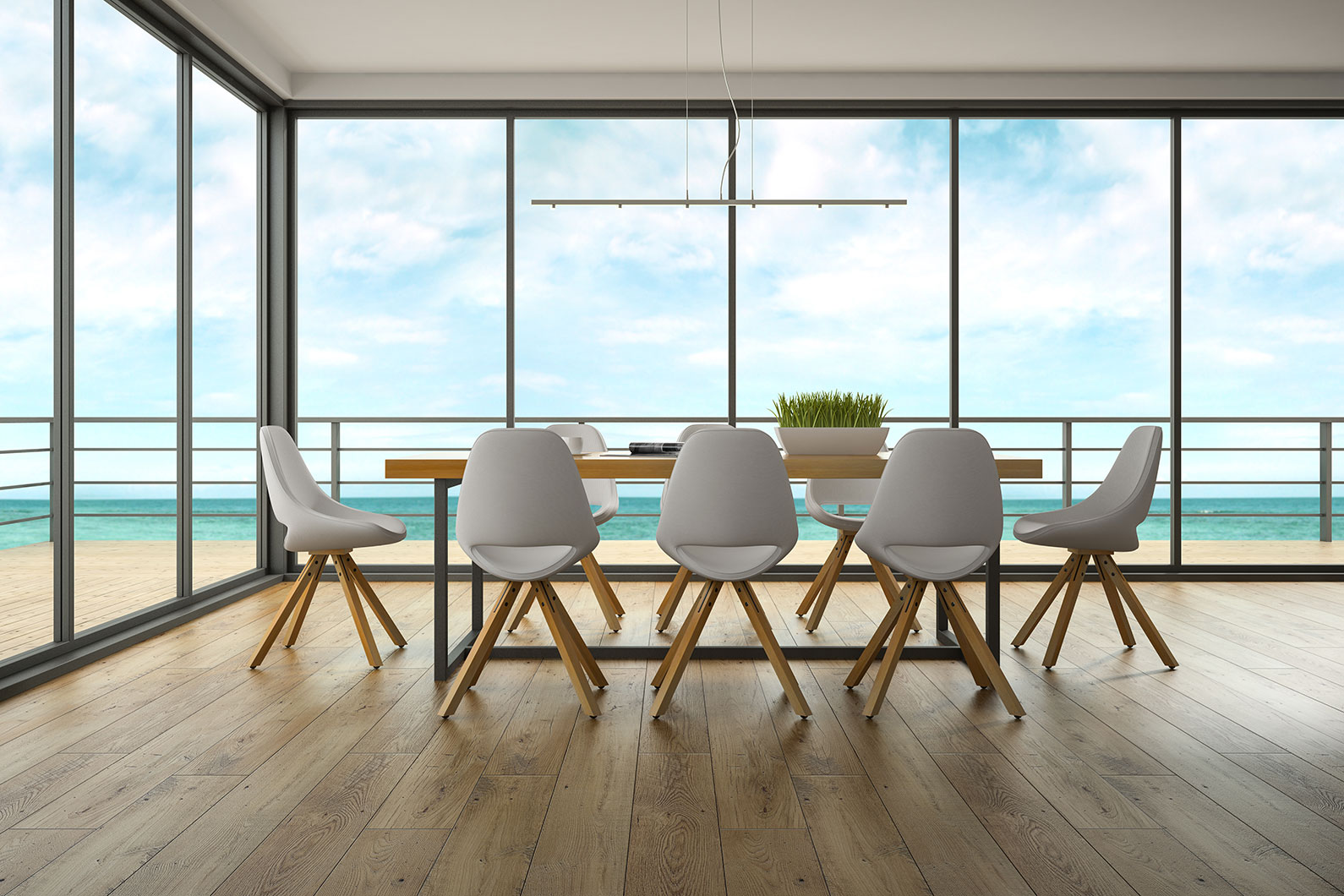
Choosing timber flooring near the sea is about balancing beauty with performance. We’ll compare hardwood and engineered timber in coastal conditions, explain humidity and salt-air risks, and share the best BC Floors options for Illawarra homes and local commercial spaces.
Living in Wollongong or anywhere along the Illawarra coastline means enjoying ocean breezes, warm summers, and coastal lifestyle—yet these very conditions can be challenging for timber flooring. Moisture, salt and temperature fluctuations can stress timber boards more dramatically than inland environments.
At BC Floors, we help homeowners, builders, and commercial clients navigate these challenges every day. Whether you’re renovating by the water, refreshing a beachfront café, or building a new coastal home, selecting the right timber flooring is essential for long-term performance.
What Makes Coastal Timber Flooring More Prone to Damage?
Humidity, moisture variation, and salt-laden air cause timber to expand, contract, and degrade faster in coastal areas, making product stability and construction critical.
Timber is a natural product that continuously responds to environmental changes. In the Illawarra region, three coastal factors matter most:
Key coastal stressors
- Humidity and moisture: Can cause expansion, cupping, gapping, and swelling.
- Salt air: May dull certain coatings and shorten finish life over time.
- Sand and grit: Acts like micro-abrasive material, causing surface scratches.
Timber can still perform beautifully near the beach—but the right product choice and installation method matter.
Is Engineered Timber Better Than Solid Hardwood Near the Coast?
Yes. Engineered timber is generally more suitable because its multi-layer core reduces movement caused by humidity, making it more stable in coastal homes and commercial spaces.
Let’s break it down.
How Does Solid Hardwood Respond to Coastal Conditions?
Solid hardwood expands and contracts more noticeably with moisture changes, making it more vulnerable to warping and cupping near the sea.
Pros
- 100% natural timber
- Can be sanded and refinished multiple times
- Classic, timeless appearance
Cons (coastal-specific)
- Greater movement in humidity
- Higher risk of cupping and gapping
- More maintenance required
- Sensitive to moisture below and above the board
How Does Engineered Timber Perform Near the Coast?
Engineered timber offers superior stability thanks to its layered construction, making it the preferred choice for seaside environments.
Key advantages
- Multi-layer core reduces expansion
- Less prone to cupping
- Real hardwood top layer
- Cost-effective versus solid hardwood
- Excellent performance for residential and commercial applications
How Does Humidity Affect Timber Flooring in the Illawarra?
Humidity causes timber to swell, while dry periods cause shrinkage—creating movement that can damage floors without proper product selection and installation.
The coastal Illawarra climate includes:
- Rain-heavy summers
- Dry winter periods
- Daily ocean moisture cycles
Best practices for managing humidity
- Allow boards to acclimatise before installation.
- Use a suitable moisture barrier.
- Ensure consistent airflow.
- Choose stable materials (engineered timber recommended).
- Maintain indoor humidity with ventilation or climate control.
Which Timber Species Are More Suitable for Coastal Homes?
Harder, more stable Australian species perform best near the coast, especially when used in engineered timber construction.
Better coastal timber choices
- Blackbutt – naturally stable for fluctuating climates
- Spotted Gum – dense and hard with excellent wear resistance
- European Oak (in engineered format) – highly stable and versatile for coastal styling
Species to use with caution
- Softer timbers
- Species with known movement issues
- Any timber installed too close to moisture sources without proper control
What Timber Flooring Should Be Avoided Near the Sea?
Avoid solid hardwood installed over moist subfloors, low-stability species, and flooring without proper moisture barriers or protective finishes.
Common coastal flooring mistakes
- Installing solid hardwood directly over concrete without moisture treatment
- Choosing matte or soft finishes in sandy environments
- Not using appropriate underlays or vapour barriers
- Selecting cheaper products with unstable core structures
- Using timber in high-exposure zones (such as beach-entry areas)
When in doubt, choose engineered timber—it’s designed for performance in varied climates.
What Are the Best BC Floors Options for Coastal Timber Flooring?
Engineered timber is the recommended option for most seaside homes and commercial spaces, offering high stability, durability, and a real-timber appearance.
At BC Floors, our engineered timber ranges provide:
- Real hardwood veneer layers
- High-stability multi-ply or HDF cores
- Professional-grade coatings
- Wide plank options ideal for modern coastal interiors
- Australian and European species
When Do We Still Recommend Solid Hardwood by the Coast?
Solid hardwood can work near the coast when species stability, installation method, and indoor climate control are carefully managed.
Hardwood is best suited for:
- Homes with stable humidity control
- Upper levels with timber subfloors
- Clients wanting long-term sanding and refinishing options
- Feature areas where premium natural timber is desired
What Maintenance Helps Timber Last Longer in Coastal Homes?
Regular cleaning, moisture control, and protective mats dramatically extend timber longevity in seaside environments.
Coastal timber care checklist
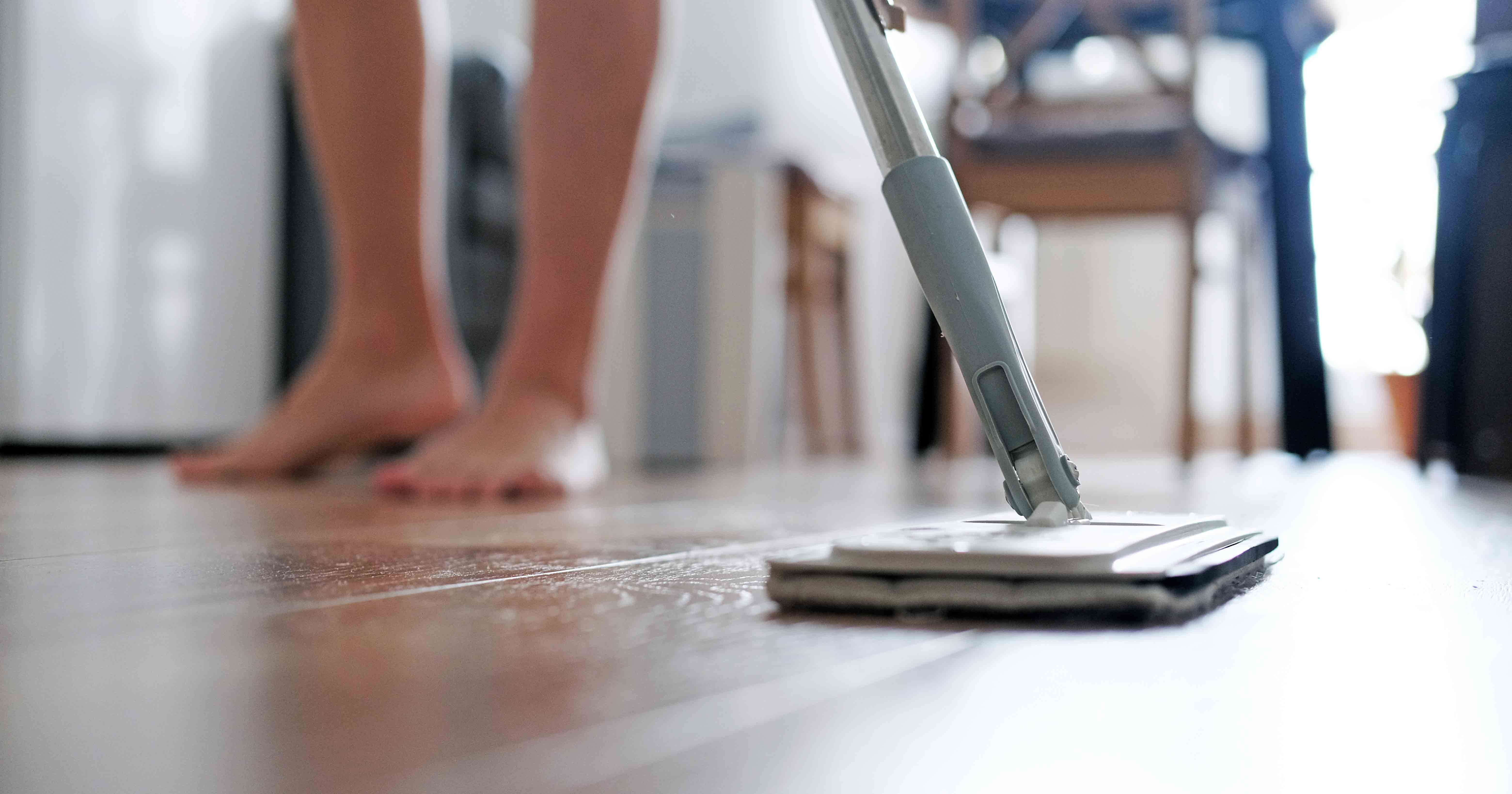
- Sweep or vacuum regularly to remove sand.
- Use entry mats to trap grit.
- Choose pH-neutral cleaners.
- Maintain airflow to manage humidity.
- Clean spills promptly.
- Avoid excess wet mopping.
- Re-coat your floor as recommended by the manufacturer.
FAQ: Timber Flooring by the Sea
Is engineered timber good for coastal homes?
- Yes, it’s the most stable timber option for humidity and moisture variations near the sea.
Which timber species handle salt air best?
- Blackbutt, Spotted Gum, and engineered European Oak typically perform well near the coast.
Will hardwood warp in a seaside environment?
- It can if moisture isn’t managed. Engineered timber is safer for fluctuating climates.
Can timber be used in coastal commercial spaces?
- Yes. Engineered timber is a strong option for cafés, offices, and retail stores near the beach.
How far inland counts as ‘coastal’ for flooring?
- If your home feels humid or regularly catches ocean breeze, treat it as a coastal environment.
Is timber flooring good for rental properties near the ocean?
- Engineered timber is ideal due to its low maintenance and high stability.
Timber flooring can thrive in Wollongong and the Illawarra when it’s chosen and installed correctly. Engineered timber offers the ideal combination of beauty, durability, and climate stability, while certain hardwoods can work well with the right species and environmental controls.
If you’re renovating, building, or fitting out a commercial space near the coast, we’re here to help you choose the perfect floor.
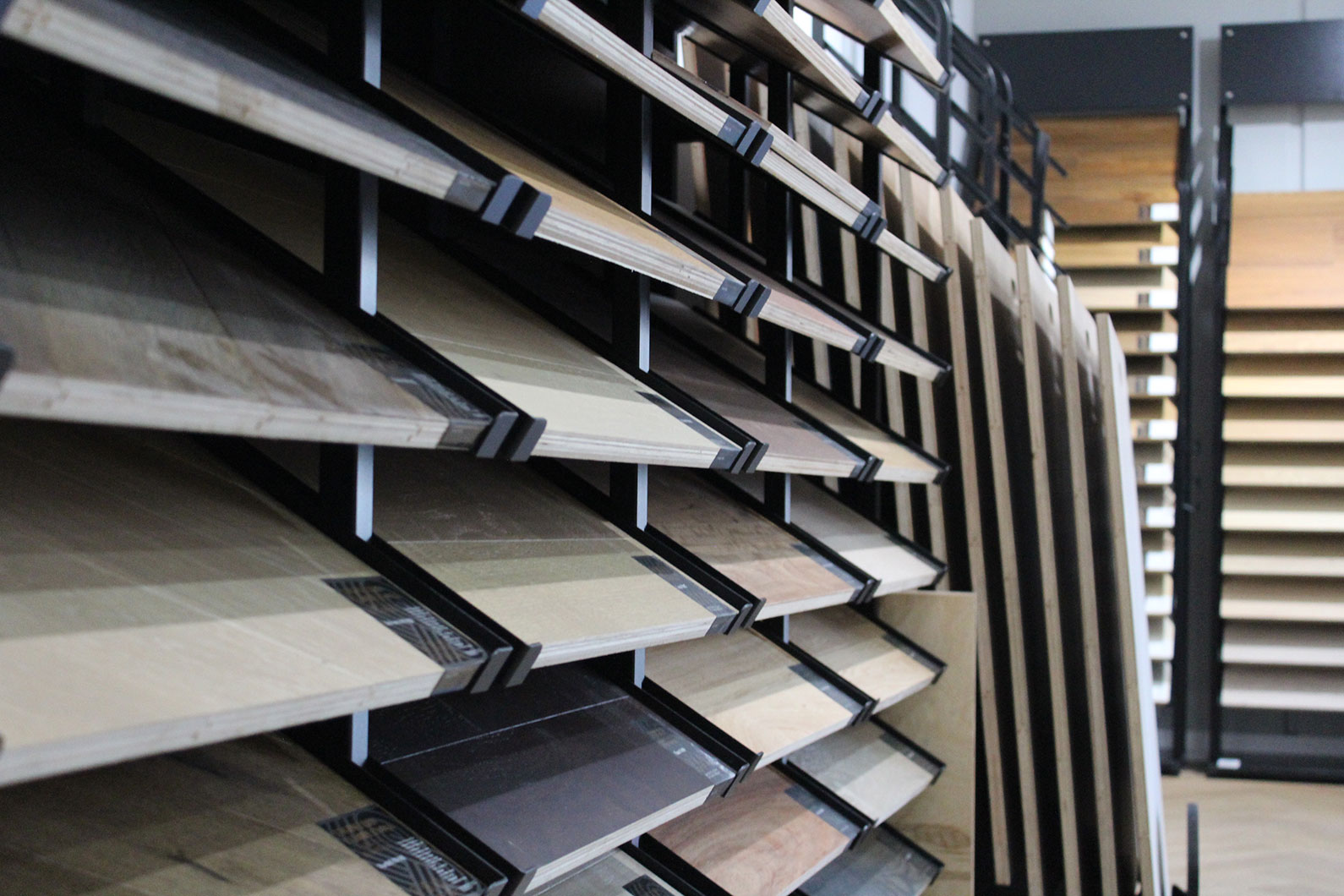
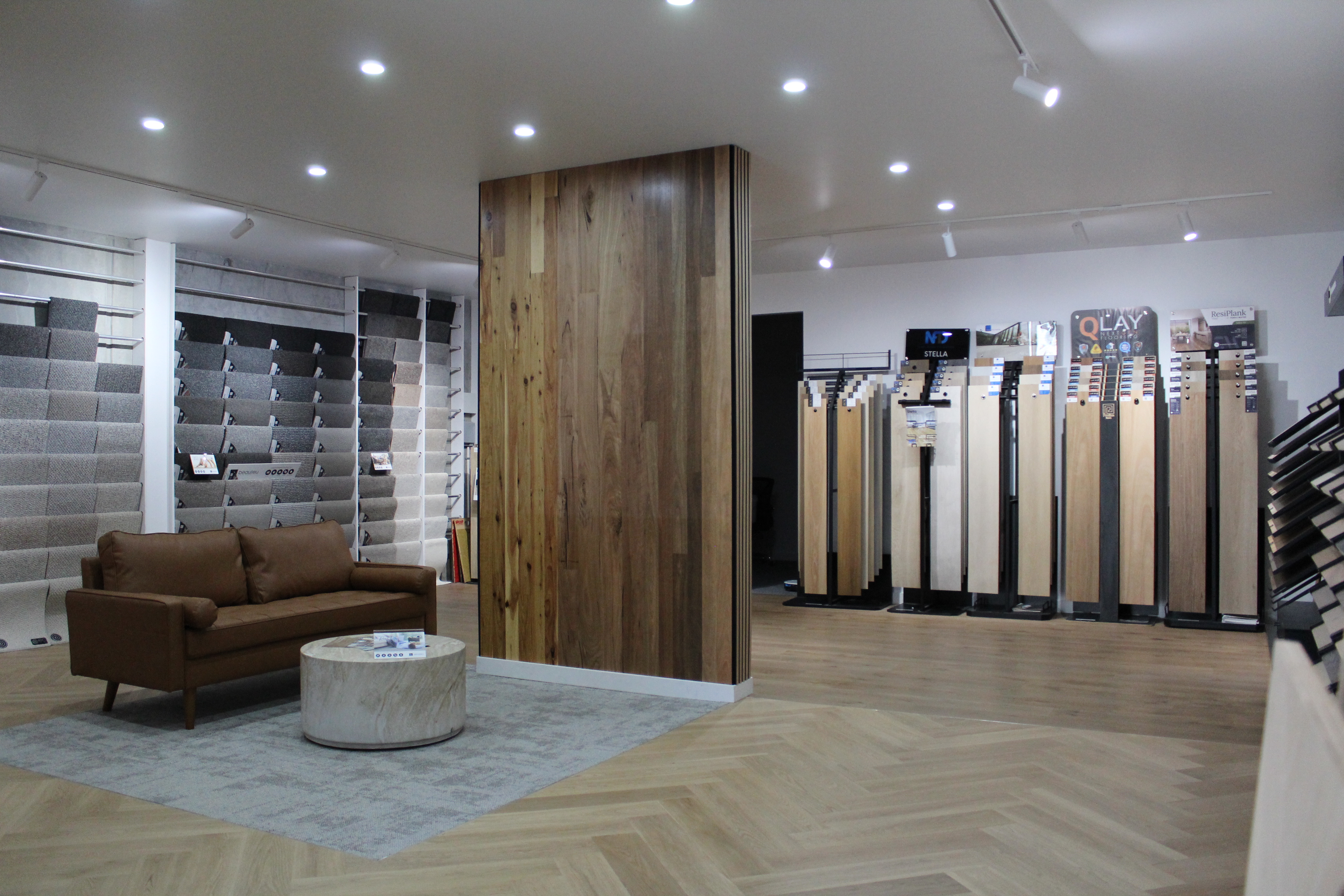
Request a measure and quote, visit our showroom, or explore our engineered timber range online.



%20(1).png)
.png)