How to Revive Old Hardwood Floors: Quick Guide
Restore your worn hardwood floors by first assessing damage — checking for scratches, water stains, loose boards or dull finish — then thoroughly cleaning, sanding (if needed), and resealing with a protective finish. Use coarse-to-fine sanding, optional stain, and a quality sealant (oil- or water-based polyurethane) for durability. For merely dull or lightly worn floors, a thorough clean, gentle buff or recoating can refresh the look without full sanding or refinishing.
Reviving Old Hardwood Floors: Tips for Restoration
Hardwood floors are timeless, adding warmth, character and value to any property. However, even the most durable hardwood can lose its lustre over time. Scratches, dull finishes and daily wear can make your floors look tired and aged. Fortunately, with the right approach to hardwood floor restoration and maintenance, you may be able to revive their natural beauty and extend their lifespan for years to come.
Whether you're dealing with scratched timber, faded finishes or worn floorboards, understanding your restoration options can help you decide whether your floors need a simple refresh, professional refinishing or replacement.
At BC Floors, we help homeowners across Wollongong and the Illawarra explore quality hardwood timber flooring options suited to their homes, lifestyles and budgets.
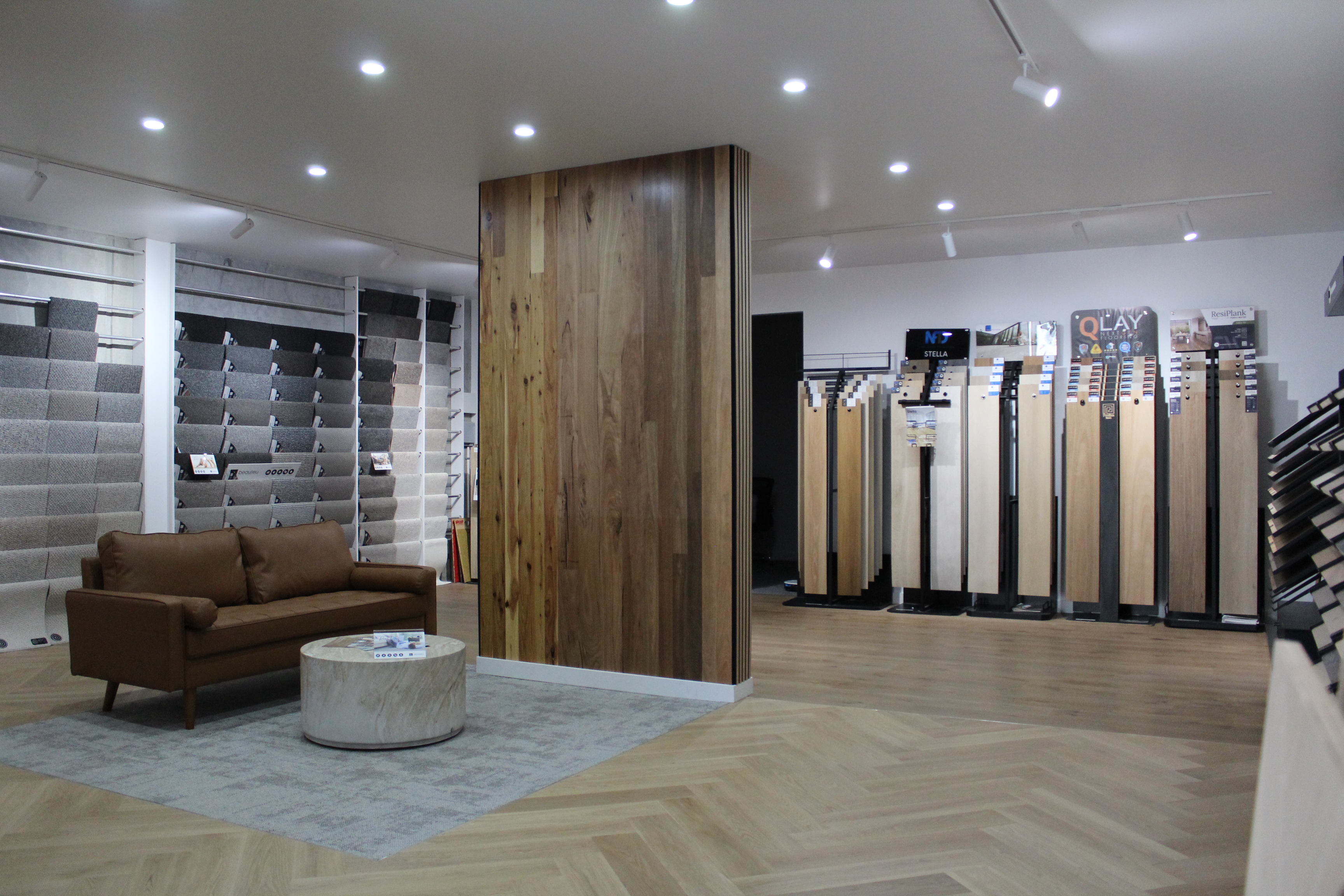
Considering an update to your timber floors? Visit our Bellambi showroom to explore hardwood flooring options and speak with our team about your project.
How to Bring New Life to Scratched or Faded Floors
Before jumping into refinishing, assess the condition of your flooring. If the damage is limited to surface wear, such as minor scuffs or a dull finish, simple cleaning or a compatible maintenance treatment may be enough.
However, deeper scratches, worn protective coatings or discolouration may require more extensive hardwood restoration. Signs of moisture damage, movement or structural deterioration should be assessed before any sanding or refinishing begins.
Step 1: Deep Clean and Inspect
Start by thoroughly cleaning and inspecting the existing floor.
- Remove surface debris: Sweep or vacuum using a suitable hard-floor attachment to remove dust, sand and grit.
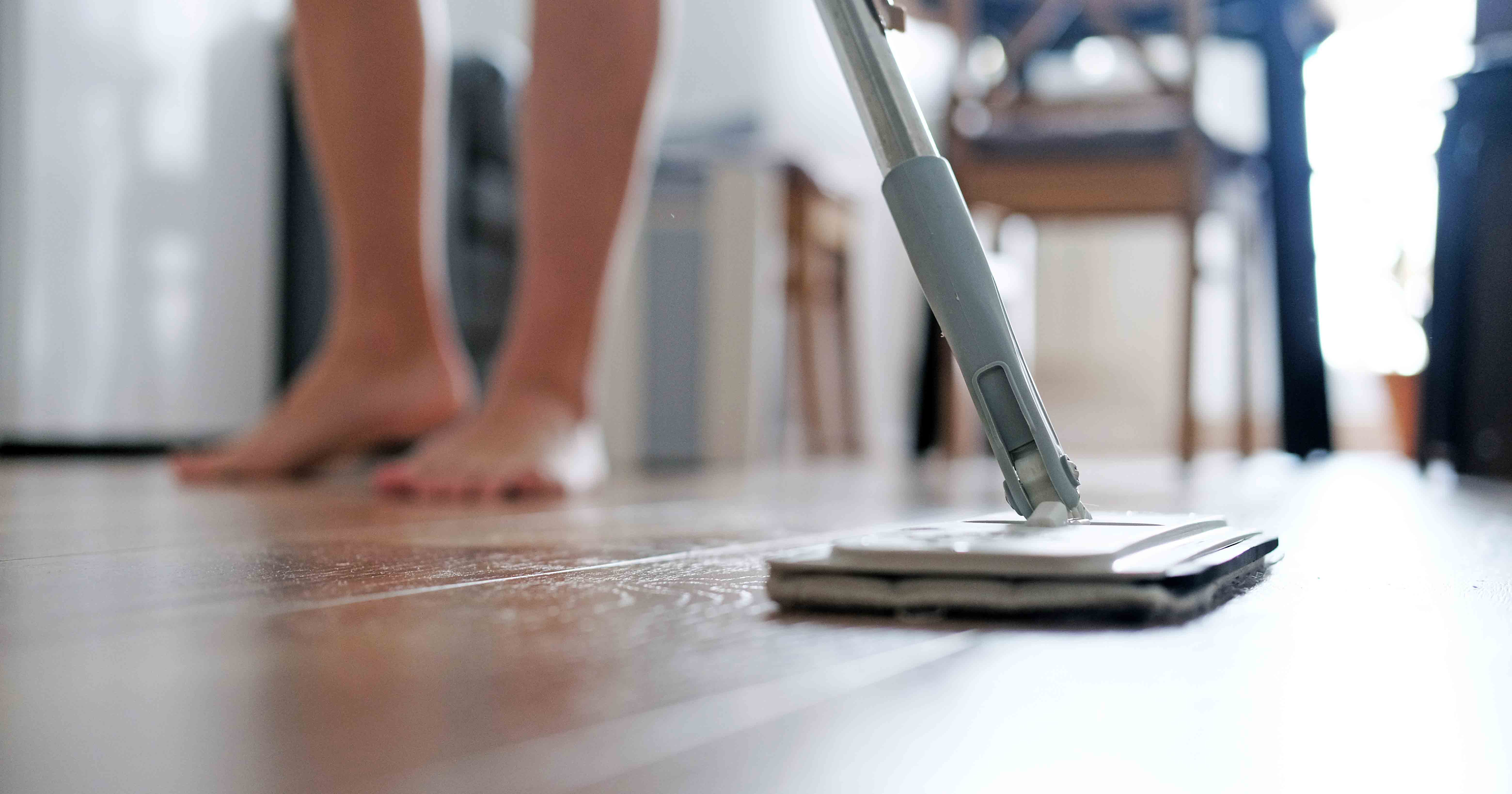
- Clean with appropriate products: Use a timber-safe cleaner recommended for the existing floor finish. Avoid excessive water, steam mops and harsh chemicals.
- Inspect for damage: Look for loose boards, cracks, gaps, cupping, staining or areas where the protective coating has worn away.
- Check for moisture issues: Investigate any signs of ongoing moisture exposure before attempting repairs.
For homes across the Illawarra, sandy foot traffic and changing humidity can contribute to surface wear and timber movement. Identifying these issues early can help prevent further damage.
Step 2: Light Sanding or Recoating for Surface Renewal
For hardwood floors with light surface wear, screening or a maintenance recoat may be an alternative to full sanding.
Screening lightly abrades a compatible existing finish to prepare it for a new protective coating, without removing significant amounts of timber.
This approach may be suitable for floors that are structurally sound and have an intact finish with minor surface wear. However, not all coatings are compatible with recoating, particularly if waxes, oils or other treatments have previously been applied.
A flooring professional can help determine whether a light refresh is appropriate.
Step 3: Full Sanding for Heavy Wear
For floors with deeper scratches, widespread coating damage or significant surface discolouration, full sanding and refinishing may be necessary.
The process generally involves removing the existing finish and a small amount of timber using progressively finer sanding abrasives. Once prepared, the floor can be stained if desired and finished with a suitable protective coating.
Before sanding, it's important to confirm the timber's condition and remaining thickness. Solid hardwood can often be sanded multiple times, while engineered timber flooring has a limited real-timber wear layer that determines whether sanding is possible.
Excessive sanding can permanently damage floorboards, so professional assessment is recommended before undertaking major restoration.
DIY vs. Professional Refinishing: What to Consider
When deciding between DIY and professional hardwood floor refinishing, consider the extent of the damage, the type of flooring and the finish you want to achieve.
DIY Refinishing
- Pros: May be cost-effective for small areas, routine cleaning and minor surface touch-ups.
- Cons: Sanding and refinishing require specialised equipment, careful preparation and an understanding of timber finishes. Mistakes can result in uneven sanding, visible marks or coating problems.
- Best for: Homeowners carrying out straightforward maintenance or minor repairs using products suitable for their flooring.
DIY restoration should be approached carefully, particularly where older coatings, damaged boards or moisture issues are involved.
Professional Hardwood Restoration
- Pros: Professional assessment can help identify the appropriate preparation, sanding and finishing methods. Experienced contractors can also manage dust, coating application and curing requirements.
- Cons: Higher upfront costs than basic DIY maintenance, with pricing dependent on floor condition, area and the work required.
- Best for: Larger residential spaces, commercial premises, heavily worn flooring and projects requiring substantial sanding or repairs.
For extensive restoration work, choosing a suitably qualified contractor can help reduce the risk of avoidable damage and achieve a more consistent result.
Adding Protective Finishes for Longevity
Once your hardwood floors have been restored, selecting an appropriate protective finish is important for maintaining their appearance and performance.
Different finishes offer varying levels of durability, sheen, maintenance requirements and resistance to everyday wear.
Common Finish Options
- Water-based polyurethane: Often selected for its relatively low odour, faster drying times and availability in clear finishes that preserve the timber's natural colour. Durability varies between products.
- Oil-based polyurethane: Can create a warmer, amber-toned appearance and offers durable protection when correctly applied. Drying and curing times are generally longer than many water-based alternatives.
- Hardwax oils: Provide a natural-looking finish that highlights the timber's texture. Some systems allow localised maintenance or repairs, although ongoing care requirements differ from polyurethane coatings.
The best finish depends on the timber species, household traffic, desired appearance and maintenance preferences.
Always follow the coating manufacturer's application, ventilation and curing instructions before returning furniture or allowing normal foot traffic.
Maintenance Tips for Lasting Results
Regular maintenance can help protect newly restored hardwood floors and reduce premature surface wear.
- Use furniture protection: Place felt pads under furniture legs to minimise scratches.
- Remove sand and grit: Sweep or vacuum regularly, particularly near entrances and high-traffic areas.
- Clean spills promptly: Avoid leaving water or other liquids on timber surfaces.
- Choose suitable cleaning products:** Use cleaners recommended for the specific floor finish and avoid abrasive chemicals.
- Protect against sunlight: Use blinds, curtains or other shading where prolonged direct sunlight may cause uneven colour changes.
- Monitor surface wear: Arrange maintenance recoating when appropriate, rather than following a fixed schedule regardless of floor condition.
For more practical advice, explore our [hardwood floor maintenance guide](https://www.bcfloors.com.au/blog/caring-for-your-hardwood-floors-maintenance-tips-for-longevity).
When Should You Restore or Replace Hardwood Flooring?
While many older hardwood floors can be refreshed, restoration isn't always the most practical option.
If the boards are structurally sound and have sufficient timber remaining, sanding and refinishing may restore their appearance without requiring complete replacement.
However, replacement may be worth considering when the flooring has:
- Extensive water damage, swelling or severe cupping.
- Widespread rot or structural deterioration.
- Significant movement, splitting or damaged boards.
- Insufficient remaining timber thickness for safe sanding.
- Repeated repairs that are no longer cost-effective.
The right decision depends on the flooring's construction, condition and the extent of the damage.
If you're considering replacing your existing floors, our hardwood timber flooring range offers options for creating a timeless look in both traditional and contemporary spaces.
For homeowners considering alternative materials, our guide to long-lasting flooring options explains the durability and maintenance considerations of different flooring types.
Why Professional Restoration Pays Off
Investing in appropriate hardwood floor maintenance and restoration can help preserve the appearance, usability and long-term value of existing timber flooring.
Professional assessment can also identify problems that may not be immediately visible, including moisture-related damage, coating incompatibility or insufficient timber thickness.
For commercial spaces such as restaurants, offices and retail premises, well-maintained timber floors can contribute to a welcoming, professional environment. In residential properties, restored hardwood can bring renewed warmth and character to living spaces.
However, restoration cannot correct every type of damage. Where existing timber is unsuitable for refinishing, selecting a replacement flooring product may provide better long-term value.
For busy households, our article on timber floors in family homes offers further guidance on managing scratches, foot traffic and everyday maintenance.
Frequently Asked Questions About Hardwood Floor Restoration
Can old hardwood floors be restored without sanding?
Yes, some hardwood floors can be refreshed without full sanding. If the existing finish is intact and the damage is limited to minor scuffs or dullness, thorough cleaning or a compatible maintenance recoat may improve their appearance. Deeper scratches, extensive coating damage or significant discolouration may require sanding and refinishing.
How many times can hardwood floors be sanded and refinished?
The number of times hardwood floors can be refinished depends on their construction, original thickness and previous sanding history. Solid hardwood generally allows more refinishing than engineered timber. Before sanding, a professional should assess the remaining usable timber and the condition of the boards.
How long does hardwood floor restoration take?
The time required depends on the floor area, condition, repairs, sanding requirements and selected finish. Smaller projects may take several days, while extensive restoration can take longer. Protective coatings also require appropriate drying and curing time before normal use resumes.
Is it better to restore or replace damaged hardwood floors?
Restoration may be the better option when the existing boards are structurally sound and have sufficient timber for refinishing. Replacement may be more appropriate when floors have severe moisture damage, extensive deterioration or insufficient remaining thickness. A professional assessment can help determine which approach is practical.
How can I protect restored hardwood floors in coastal homes?
For coastal homes across Wollongong and the Illawarra, regular cleaning is particularly important because sand and grit can scratch protective finishes. Use entrance mats, remove debris frequently, clean spills promptly and maintain suitable indoor humidity. Choosing appropriate cleaning products and monitoring wear can also help protect restored timber.
Transform Your Floors with BC Floors
Old doesn't have to mean worn out. With the right care and restoration approach, hardwood flooring can retain its natural character and continue performing for many years.
Whether you're maintaining existing timber or considering a fresh start, understanding your flooring's condition is the first step towards making a confident decision.
At BC Floors, we help homeowners, builders and businesses across Wollongong and the Illawarra explore quality flooring solutions that suit their spaces, lifestyles and budgets.
From hardwood timber to engineered timber and other practical flooring options, our team can guide you through product selection and professional installation.
Ready to give your space a fresh look? Visit our Bellambi showroom to explore our flooring ranges, or book your free measure and quote to get started with BC Floors.